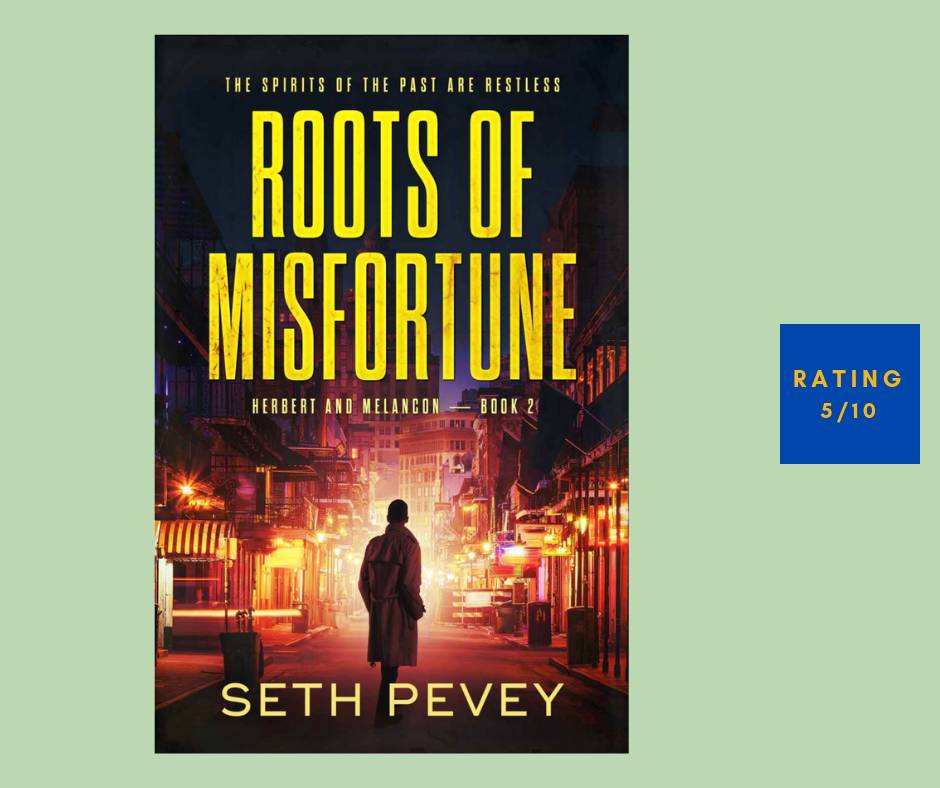
A private eye series set in steamy, unforgettable New Orleans, featuring jaded, hard-drinking ex-policeman David Melancon and his inexperienced youngster partner, Felix Herbert, is always welcome, and “Roots of Misfortune,” the second instalment, rattles along from a funky start to a blood-soaked climax. Young girls are going missing and the reek of voodoo is in the air. The plotting is tight, if a touch predictable, and the evolving cast of characters works well. The occult flavor of the tale is atmospherically unfolded. Author Seth Pevey writes in a slightly self-conscious style that suits the story. All up, an enjoyable read.
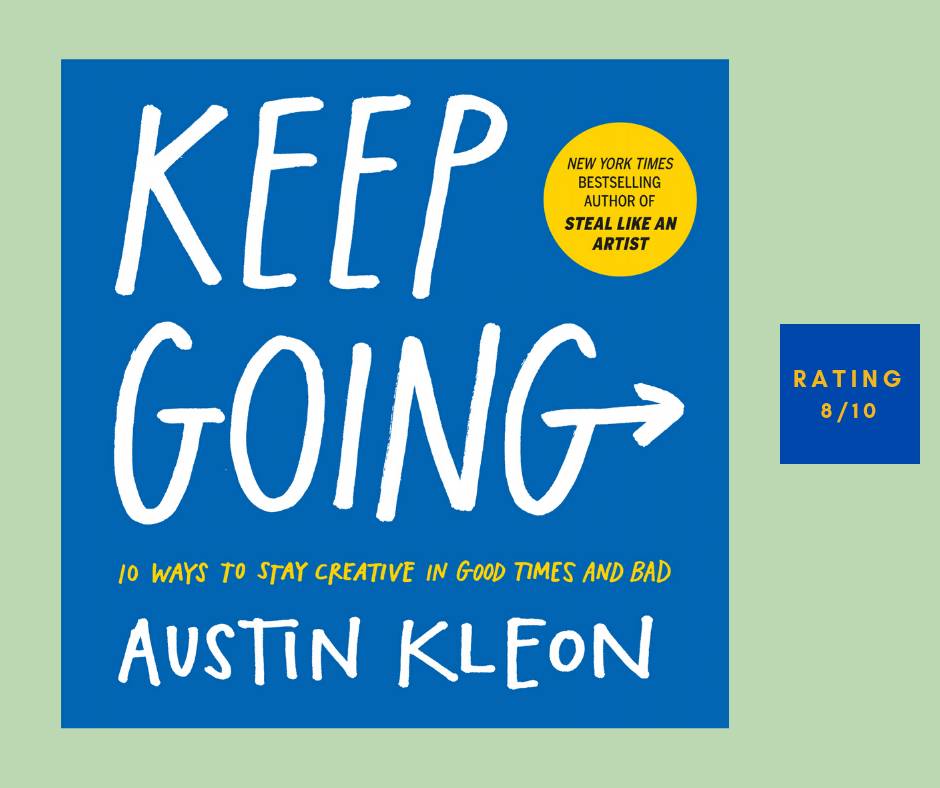
Keep Going by Austin Kleon [8/10]
For creatives and more so for those yearning to create, Austin Kleon is special. A visual artist whose niche of “blackout art” – newspaper/magazine pages blacked out except for nifty phrases or sentences – was a hit, Kleon nailed the essence of creative craft in “Steal Like an Artist,” nailed the need to get your stuff out there in “Show Your Work,” and now has “Keep Going: 10 Ways to Stay Creative in Good Times and Bad” out for that same audience. It’s as good as the first two corkers. Ten beguiling chapters, presented in attractive textual or visual formats, help to maintain the commitment of both seasoned creators and aspirants. On top of standard advice like “every day is groundhog day,” consider motes such as “build a bliss station” and “slay the art monsters.” It’s standout brilliant and I’ll be buying copies to give away, just like I did with the other two.
Black Earth Rising directed & written by Hugo Blick, Episodes 5 to 8 [8/10]
Such a blast! The second half of “Black Earth Rising” accelerates and coheres and thunders to its climax. I loved the opening episode, enjoyed the next three (but felt the story drifted), and was most delighted to witness the pace pick up thereafter. The plot darkens and twists and the locale shifts from UK and France to include Rwanda itself. Abena Ayivor now shines as the Rwandan president and Lucian Msmati is wonderful as her offsider. The turbulent interplay between Kate Ashby and Michael Ennis is a special treat. And the shocks and epiphanies Kate experiences dovetail perfectly with the sinuous plot. A special series that explores issues of good and evil, even while it entertains.
There Will Be No Intermission by Amanda Palmer [ 7/10]
Amanda Palmer has forged her own path since her Dresden Doll days and is now a unique firebrand performer and Patreon favorite with an independent cast of mind. “There Will Be No Intermission” is an impressive, cohesive crowdfunded work with 10 tracks, separated by 10 musical interludes. Sparsely instrumented, mostly with her piano or banjo, her expressive voice is often delicate, sometimes roaring. Highlights include the nine-minute candid “The Ride,” a passionate cry for solidarity; “Drowning in the Sound,” with its electronica beat and backing, railing against social media hate; and “Bigger on the Inside,” her voice cracking over a repetitive refrain as she covers insults, forbearance and her dead brother. Beauty resides on every truth-infused song.
Cardinal Series 3 Episodes 4 to 6 [9/10]
Three seasons of a dark detective thriller is often one season too long, and after the brilliant first episode of Season 3 of “Cardinal” (which I rated as 9/10), I fretted that the next few episodes dissipated energy (8/10). Rest assured, for the final three grim but stunning episodes, I’m delighted to report, are top notch. Cardinal and Delorme finally begin to piece together the complex clues just as the killing crew, led by a deranged woman, begin to fall apart. The tension climbs to nigh unbearable levels. And even during this, an off-the-books, very personal investigation by Cardinal, inches towards resolution. As usual, we get spot-on acting, a tight script full of twists, and beautiful cinematography. The climax, followed by another climax, were fitting conclusions, and I can only hope for a further season. Another of this year’s viewing highlights.
Russian Doll Episodes 5 to 8 [9/10]
The final half of the blindingly excellent “Russian Doll” takes off into the stratosphere after a great first half (I rated Episode 1 at 8/10 and ditto for Episodes 2 to 4) . Natasha Lyonne continues her star turn as Nadia, now working with Alan (Charlie Barnett gets better and better) to tease out how their lives intersected to put them in eternal limbo. The unfurling of the sci-fi-many-worlds clues is splendidly invigorating for the viewer, and not a moment of screen time is wasted. No clues here, but rest assured that the climactic resolution, after a number of detours, is wonderfully satisfying without being in the slightest cloying. Quite the best series I’ve watched this year and well deserving of a superlative rating.
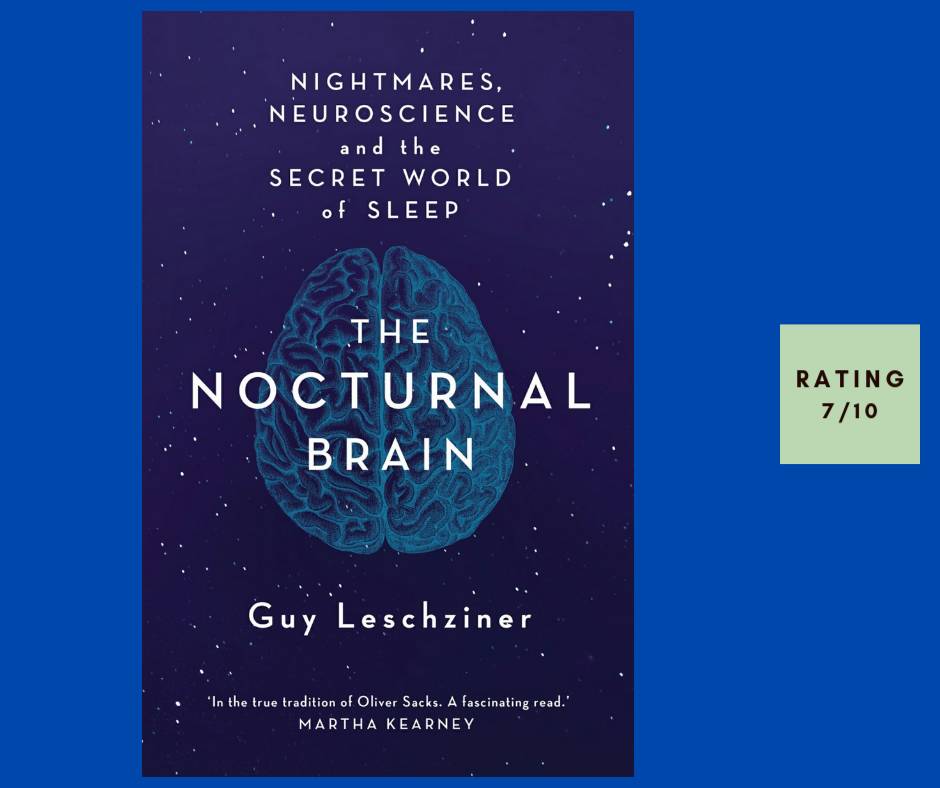
The Nocturnal Brain by Guy Leschziner [7/10]
Where does “The Nocturnal Brain: Tales of Nightmares and Neuroscience,” by British neurologist Guy Leschziner fit within the flurry of recent popularizing books about sleep? I’ve read four such, two of them venturing into self-help territory and one being a memoir about insomnia, but “The Nocturnal Brain” is none of those. Instead, it’s a wise journey through sleep pathologies and problems, and reflections on the nature of sleep itself. He covers delayed sleep phase syndrome (the day/night boundary shifting every day!), sleepwalking (including motorbike driving while asleep!), REM sleep behavior disorder (including sleep-bound violence), “tired all the time,” false accusations of sleep-talking, narcolepsy (falling asleep willy-nilly), restless legs syndrome (I’ve had this, a teeny bit), hallucinations, sexsomnia (guess) . . . I list these because they fascinating array. Leschziner also covers in detail general insomnia, including what is apparently commonplace, people reporting poor sleep but actually sleeping enough hours (I suspect this is me). The author writes extremely smoothly, with great compassion towards his case studies, and the book is a treat to read. Amongst all these observations, Leschziner also muses about the nature of dreaming (which may well underpin the purpose of sleep), and although he does come down in favor of one hypothesis, in the end he concludes that “we have only just scratched the surface.” Highly recommended.
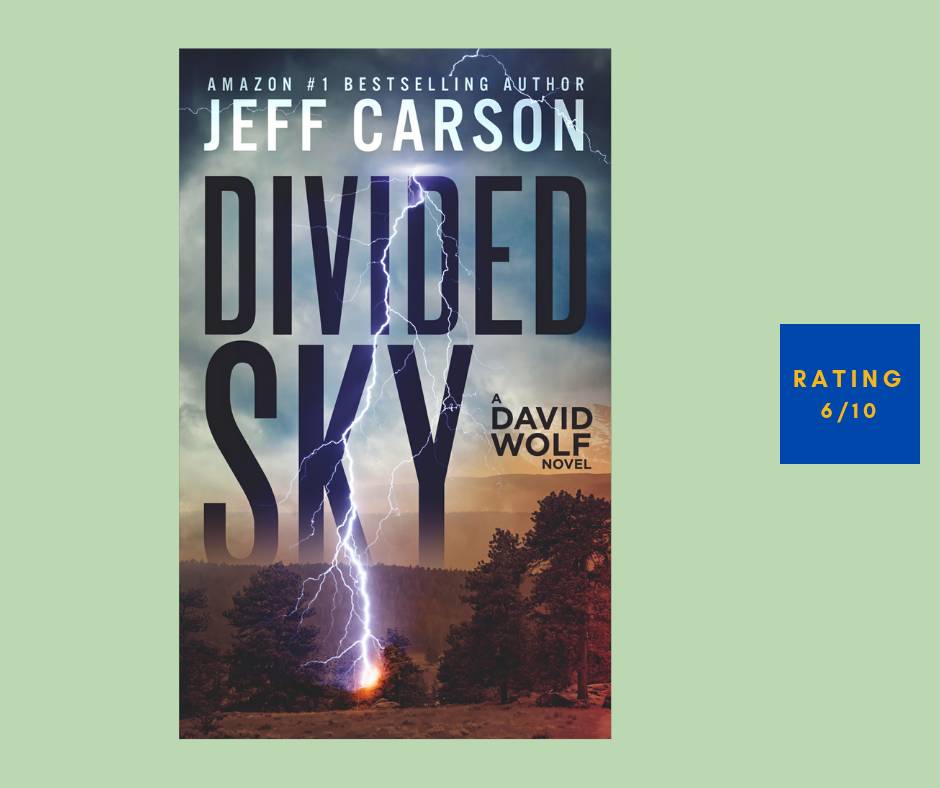
Divided Sky by Jeff Carson [6/10]
The rural American equivalent of a police procedural involves much more driving than the British standard book, plus a far more free-wheeling set of processes. I enjoyed joining Chief Detective David Wolf on his thirteenth outing. “Divided Sky” plonks Wolf into a baffling murder involving a former sheriff and his estranged nephew, and soon a busy cast of suspects, relatives, and cops is entangled. The pace is fast, the writing is smooth, and the western mountain locales are evocative, but Wolf remains a trifle bland and the endless repartee can wear. Nonetheless, a sprightly one-sitting read that will entertain many readers.
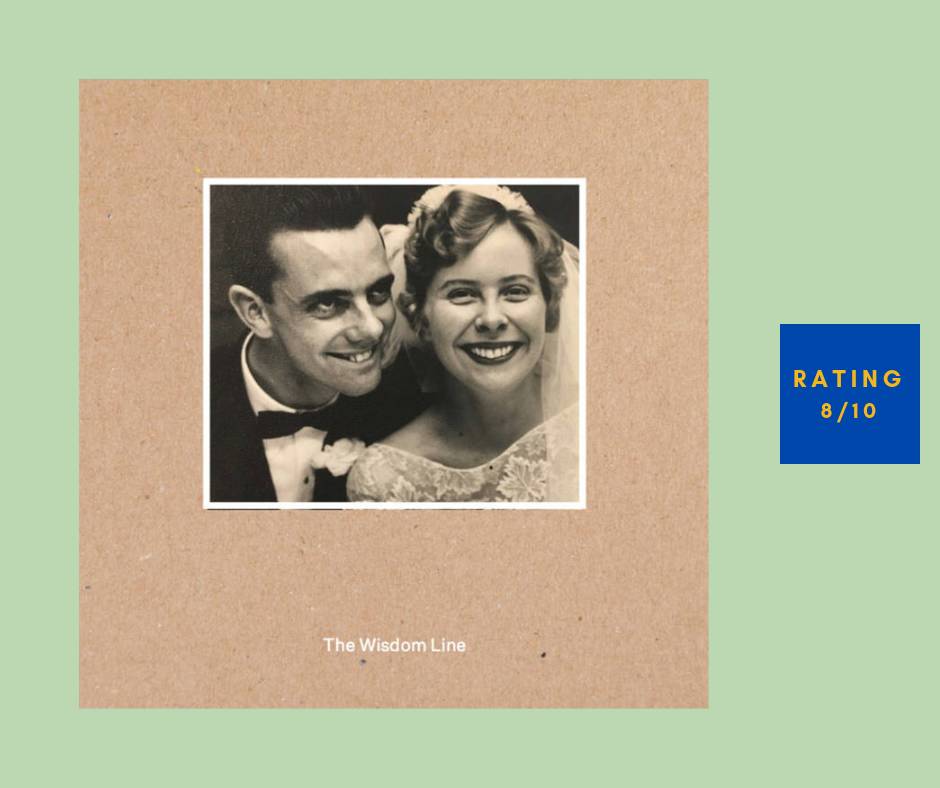
The Wisdom Line by David Bridie [8/10]
“The Wisdom Line” is uncommonly suffused with beauty, even for a musician as brilliant David Bridie. Bridie’s groups, first Not Drowning Waving, then My Friend the Chocolate Cake, have tended to overshadow his eclectic solo work, but the best of his own releases are the ones I keep coming back to. Here he foregoes some of the experimentation he can get up to, and has put together eleven exquisitely filigreed tracks. Gentle rhythms, piano leads, sparse instrumentation, an echoing ambience, all leave space for his soft, amazingly expressive voice. Spoken voice additions on three songs meld perfectly. The lyrics address places and moods and modern politics. Highlights are the sublime piano and electric guitar, just a minute-plus granted to us with the title track; the plodding Nietzsche-quoting “The Abyss”; and the heartbreaking chorus of “She Upped and Gone.” Unforgettably lovely and profound.
Checking Out: Clockwise by T.W.M. Ashford [7/10]
“Checking Out; Clockwise” is eclectic British author T.W.M. Ashford’s second in a whimsical time travel series that posits hotel Le Petite Monde as a junction point for time and space travel. The multiverse the reader is lured into is full of strange creatures and different human ages, and in this outing, concierge Pierre (a marvellous hero), teamed up with ex-gangster Viola and barman Wesker, need to chase a mysterious inspector through various worlds. It’s a light-hearted concoction laced with wit and nifty plot twists involving time-shift quandaries, a combination that, weirdly enough, reminds me of Doctor Who. Such fun and games, and intelligent at that.