It has been a long time since I have sunk into a delicious mystery brew like “Nine Lives,” a thriller/mystery directly in the lineage of Agatha Christie’s And Then There Were None yet thoroughly modern. Nine utter strangers receive a letter with all nine names printed and then they begin dying. Familiar, huh? Peter Swanson is a deft, spry developer of characters and he controls the brilliant plot with military precision. A mystery like this, even one with canny characterization, is clearly designed to be read fast to unravel the plot intricacies and twists, and as such I treated it as a fast, delicious snack rather than as a memorable meal. Of course I read Nine Lives in one transfixed sitting. Of course.
Edith and Kim by Charlotte Philby [7/10]
Imagine the granddaughter of Kim Philby, the “Third Man” spy, novelizing the life of the woman who first introduced him to his Soviet handler. This sounds like a publishing beat-up, but no, it’s real, and the end result is a thoroughly engrossing, low-key spy thriller-cum-drama that hews close to real life. “Edith and Kim” is a tightly plotted, stylistically elegant account of Edith Tudor-Hart, small-time Soviet pawn with a huge historical impact, also a harried mother and anxious soul. A claustrophobic narrative of Edith’s days before and after the war, interrupted by imaginary letters from Kim in Soviet exile, the novel seeps with danger and dread, even though little violence takes place onstage. Unlike anything I have read before, Edith and Kim provided me with a novelist’s evocative glimpse into that hallowed espionage era. Recommended.
Only Murders in the Building [9/10]
Who could imagine a world where there is not only one super-smart, perfectly plotted, exquisitely acted comedy drama series pleasuring us (I am of course talking about Ted Lasso) but two? “Only Murders in the Building,” which I ignored for ages, is nothing like the soccer coach’s quest, but it has the same deliriously enjoyable feel. You simply don’t want any of the episodes to tick over. The ten-episode American show stars Steve Martin as a typically gauche, lovable dweeb, Martin Short as a hip, quipping producer, and Selena Gomez as a wary, feisty youngster. Each of them is pitch perfect in his or her role, and as a trio of true crime buffs thrown together, they are magic. Set in a posh New York apartment block, the visuals and music are a delight, as is the rapid-fire repartee. A clever plot concept ties it all together: when a young man in the Arconia is murdered, the trio elect to solve the crime while broadcasting their progress on a podcast. The plotline is zany, cozy, ridiculous, adjectives that should render the show as trite, but this is mitigated by the fact that every scene fizzes with inventiveness and class, If it took me months to get to this opening season of Only Murders in the Building, now I can shout: bring on Season 2!
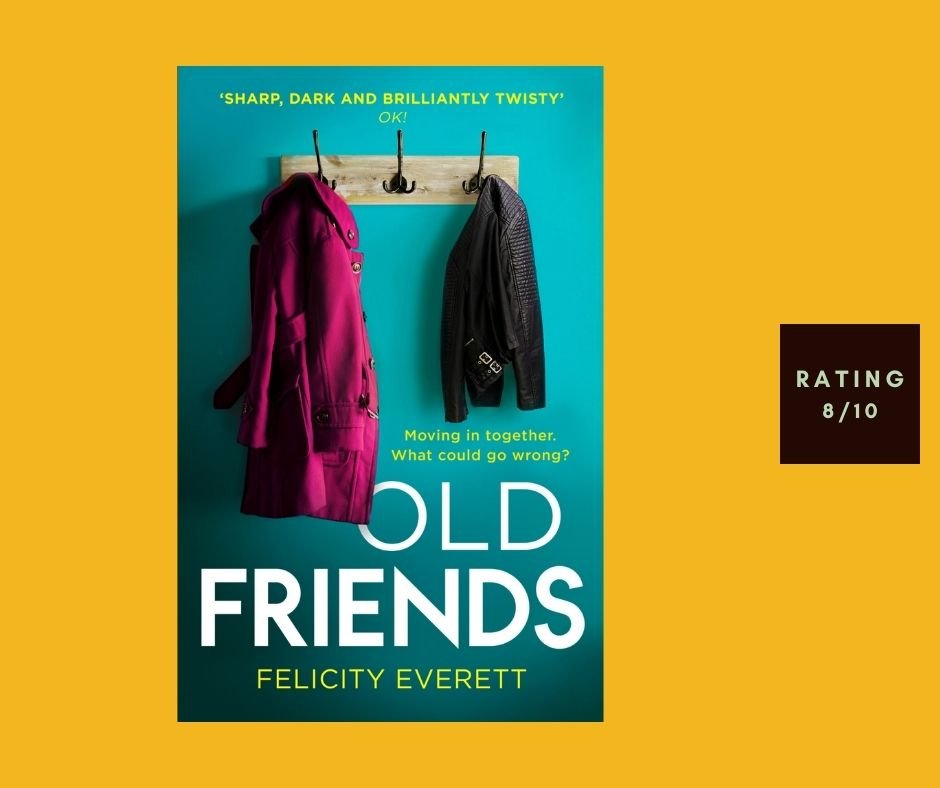
Old Friends by Felicity Everett [8/10]
A tightly plotted domestic drama with wonderful characterization, “Old Friends” is my favorite read from Felicity Everett’s four novels, each a model of atmospheric storytelling underpinned by aspects of modern life. Architect Harriet and PR firm owner Mark live with their two teenage sons in a verdant London suburb. Their “besties,” ex-rock-star Gary and put-upon Yvette, together with two daughters, live nearby, one notch down the social scale. When Gary pushes his family up north to Manchester, Harriet seizes a chance for both families to live communally in a single house. But all the characters are floundering in their lives, and gradually cracks emerge in marriages and friendships, cracks that expand with creepy certainty toward tragedy. The author is a consummate novelist, bringing all the characters vibrantly into the reader’s brain, while propelling a busy, dark plotline toward the climax. Old Friends is a sparkling, modern tale; for me, a two-sitting read. I fancy for many a single sitting will be compulsory.
The Heartless Hinds by Frank Kennedy [9/10]
In these antsy times, blessed is the space opera, unfurling rousing adventures at the edge of comprehension. My favorite in recent times has been the Frank Kennedy series set in the vast, unforgiving universe of the crushing Collectorate. The first quartet of books, titled The Impossible Future, set the scene with great gusto and intelligence, and now Beyond the Impossible is upping the ante, with a mind-blowing plot being carefully revealed over more than four books. I know this series exceeds quartet size because the just-released fourth in the series, “The Heartless Hinds,” is only just beginning to stitch together the disparate story threads. Kennedy is an effortless stylist, especially with his flowing, witty dialogue, and in his superbly choreographed action scenes. Not a word is wasted, yet the pace never feels hurried. In The Heartless Hinds, Kara Syung, the feisty, clever noblewoman we met in the first book of the series and now part of the crew of a deadly warship, negotiates on a planet populated with Earth’s ex-Africans; immortal Exeter Woolsey joins the Aeternan super-warriors headed by a core character from the first series; and Angela Poussard, once top Chancellor, plots and plots. Behind the mayhem and planetary jockeying, the mysterious Inventor pulls strings. The plot is invigoratingly complex, testimony to a master world builder in action. Hard-core science fiction like this can end up feeling frivolous. Not so this series, and The Heartless Hinds is already a highlight of 2022.
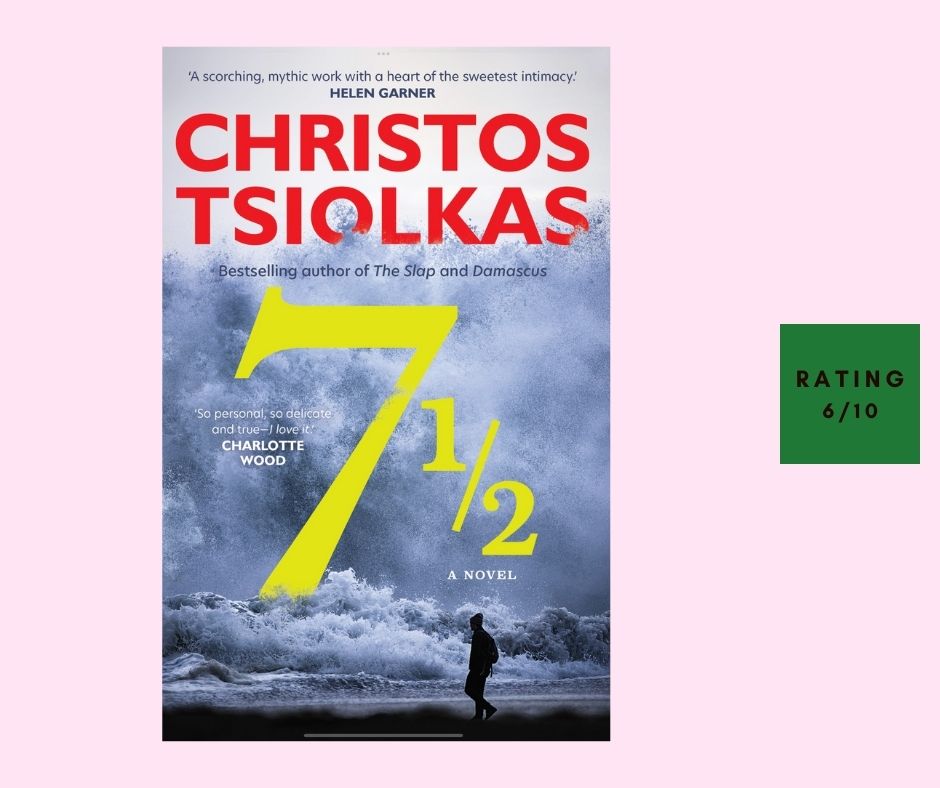
7½ by Christos Tsiolkas [6/10]
Christos Tsiolkas is one of my heroes, a novelist of prodigious stylistic skills and immense courage. Even when his books baffle or thwart, I relish the reading experience. “7½” is one of his most left-field outings yet, a freewheeling mix of fiction writing, metafiction, nature writing, and memoir. Nothing much happens: a novelist, clearly the author, spends a few days at a self-imposed retreat on the Australian coastline, exulting in the natural world around him while sinking into powerful familial memories and sketching out a (familiarly Tsiolkian) novel about an ex-porn star. With a backdrop of our tumultuous Covid-beset, Trump-blighted and the narrator’s struggles with political engagement, the floating mix of strikingly lyrical “sinking into nature” scenes, the raw, sexually fervid recollections, and the glimpse of a writer writing via a work-in-progress … all this beguiled me without prying open my mind or heart. I would categorize 7½ as a fascinating byroad.
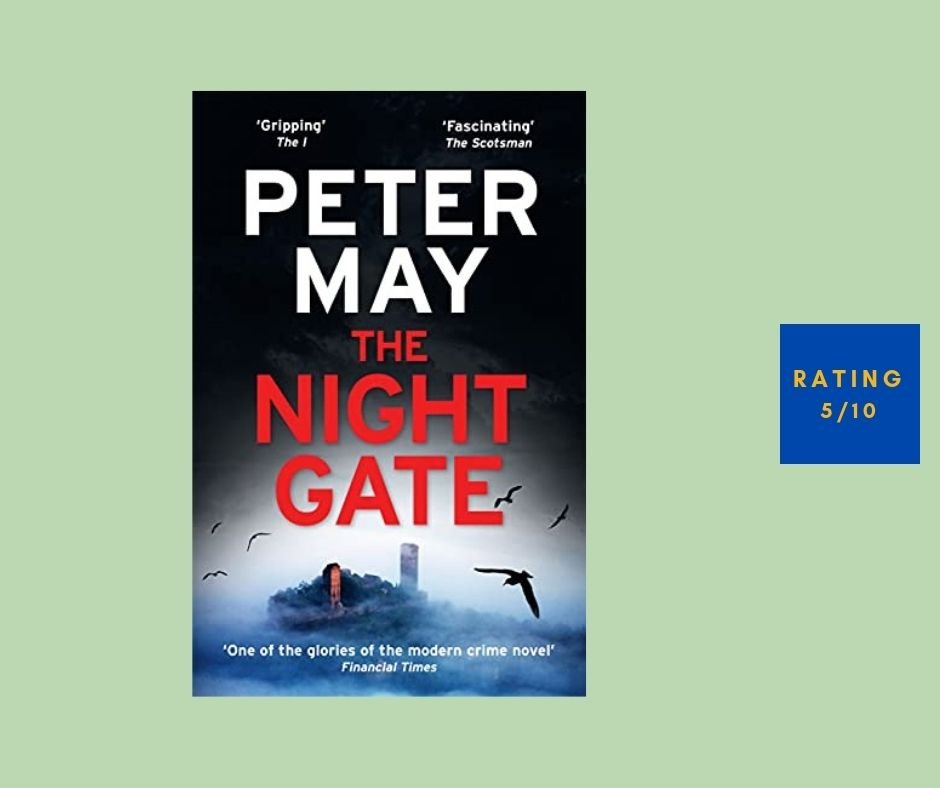
The Night Gate by Peter May [5/10]
Peter May is one of the most prolific novelists (mainly mysteries or thrillers) still working, and “The Night Gate” is the seventh in a series stretching back to 2006. Starring Enzo Macleod, a half-Scottish, half-Italian forensic scientist, my impression of the Enzo series is, unfortunately, one of a fine beginning with baffling plots and an engaging hero, declining steadily as a growing cast of extras drags down the action. After skipping numbers 5 and 6, I tried The Night Gate with high hopes. The author is an adept stylist and orchestrates scenes well, but the specific plot of The Night Gate, a twin-track historical-current unwinding, which revolves around Nazis chasing the Mona Lisa during WWII, quickly bored me. I guessed the twist ending. No doubt The Night Gate will be lapped up by Peter May’s loyal followers but I cannot recommend it as an entry point.
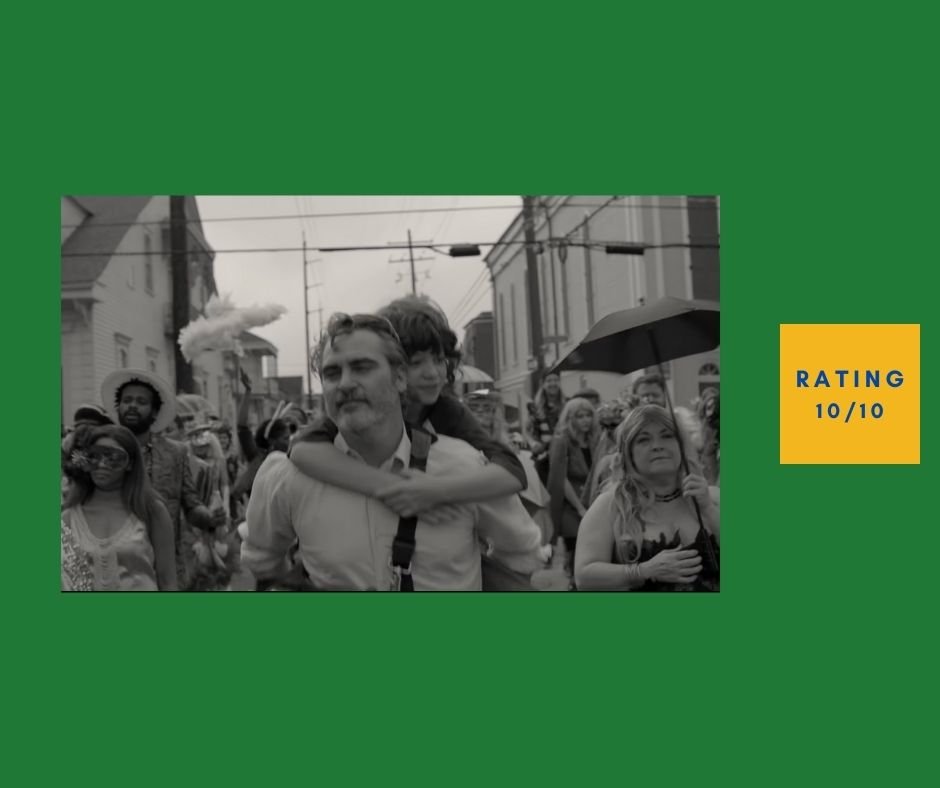
C’mon C’mon by Mike Mills [10/10]
While watching, transfixed, “C’mon C’mon,” I almost shouted “Who is Mike Mills and why have I not seen anything by him?” An American filmmaker with a huge reputation, this is his fourth full-length feature, and it’s a crime he is not better known. The instant the movie clocks on, you know this is an arthouse film: shot in black and white (Robbie Ryan’s cinematography is fluid and subtle, perfectly aligned); low-key dialogue; eclectic, even weird music; swift transitions between scenes; a willingness to dwell or pan out. The story is simple. Johnny, a radio journalist working with a small team to conduct oral interviews with the youth of America about their prospects, hopes, and dreams, comes to the aid of his sister Viv who needs to tend to her manic husband. Their nine-year-old son Jesse becomes Johnny’s charge, and as Viv’s burdens increase, uncle and nephew gradually get to know each other and embark on a road trip of sorts, the locale eventually changing to New Orleans. C’mon C’mon is very much a character study of those three, and the performances of Joaquin Phoenix (endearingly rumpled, earnest, and lost), Gaby Hoffmann (heroically part frazzled and enduring and intelligent), and, most of all, Woody Norman (screen role of the year, in my estimation, assured yet vulnerable, achingly present) are sublime. This reviewer’s stony heart was broken again and again, yet never by sentimentality, always by recognition of truth and love. Ah, enough, enough, go and see C’mon C’mon. I tag it as masterpiece.
Winning and Losing the Nuclear Peace by Michael Krepon [8/10]
Influential arms control practitioner and expert, and co-founder of the Stimson Center, Michael Krepon has now authored his life-defining masterpiece, “Winning and Losing the Nuclear Peace: The Rise, Demise, and Revival of Arms Control.” At once a comprehensive history of nuclear arms control, a character-based blow-by-blow account of the epochal arms control agreements that have been struck, and a fervent plea for a return to formal negotiating with Russia (and now China), Krepon’s book will surely be required reading in universities for decades. Positioning arms control as the necessary partner of deterrence theory, the author makes a thoroughly convincing case for the efficacy and necessity for patient diplomacy (backed by wise leadership) to throttle the existential risk of nuclear warfare. The author is an engaging stylist who seems to have interviewed everyone possible, and he keeps a firm narrative grip on what is really an beguiling grand fable. Perhaps Winning and Losing the Nuclear Peace is not for everyone—if you’ve never heard of START, you’ll need to concentrate—but anyone sinking into this absorbing, exciting, essential book will come out at the end both chastened (the ongoing risks!) and heartened (for heaven’s sake, Ronald Reagan is a hero!).
The Tourist by Harry & Jack Williams [8/10]
A showcase for Jamie Dorman that is so much more, “The Tourist” is a kinetic mix of road thriller, amnesiac mystery, and rollicking humor. Dorman plays a slouchy Irishman, almost crushed to death by a mystery truck driver, who wakes up with no memory and an innate desire to discover the truth in the remote Australian outback. Filmed superbly by two brilliant cinematographers, the landscapes with towns connected by iconic dusty roads seem to be characters in their own rights. Dorman is not the only outstanding actor, either. Of special note is Danielle Macdonald, spot-on as a rookie policewoman of self-effacing character, who, despite herself, is sucked into pursuing and aiding the mystery man. All of the above—fine acting, evocative settings, and a classic mystery setup—would be nothing without a fizzing, clever plot, and Harry and Jack Williams deliver, combining twists and flashbacks and lunatic action into a web that delighted this viewer over six equally fabulous episodes. The Tourist gives itself few graces but is a splendid tale exuberantly told.