Jean Hanff Korelitz writes thrillers by digging deep into characters under stress, not through plot per se, but in “The Plot,” she does both. When a writing teacher, himself a now-failed writer, appropriates the outrageously wild plot recounted by a student, since deceased, his life lifts into the stratosphere. But then the threats arrive… Not only is the fictional plot only gradually revealed (artfully, through extracts), this novel’s plot is sly and intended to surprise. The author is an immersive, rhythmic stylist, and the tension throughout is high. My own enjoyment was eventually thwarted because I picked the twist ending, probably only because I read way too many “give me a twist” thrillers. The Plot is also a brilliant window into the world of writers and their approaches, ecosystems, and psyches. Overall, an enjoyable, slightly atypical literary thriller.
Body Count by Paddy Manning [7/10]
In “Body Count,” journalist Paddy Manning has travelled our vast continent of Australia, seeking and talking to the victims of what are now the self-evident impacts of the climate emergency. In clear, empathetic prose, he explores the tragedies, slams the villains, and hails the heroes. Successive chapters cover fire, heat, flood (this was an eye opener to me), disease, and breakdown. One of the more intriguing aspects of Body Count is varied are the responses to Manning’s perennial question to survivors or relatives of victims: how much do you believe climate change contributed to this event? Manning makes his own view crystal clear but generously allows his interviewees full scope to range across the full spectrum of possible responses. A penultimate chapter offers an optimistic message and his final words address his conviction that our Coronavirus pandemic is twinned to climate change. Solid in exposition, revelatory in the breadth of warming impacts upon Australia, Body Count packs a much-needed wallop.
Oh William! by Elizabeth Strout [7/10]
Elizabeth Strout’s immersive, piercing stories and novels place ordinary lives under her microscope. I missed reading the first two novels concerning the life of Lucy Barton, New York author with a terrible past. “Oh William!” tells of her first husband, William, a bafflingly distant but distinctive man who, when this novel opens, has aged and seen his wife walk out, and the two former soulmates embark on a joint journey of memories and stunning family revelations. The author weaves a masterful dense tale, the human insights are profound, and an intimate, lyrical style knits it all together tightly. The storyline cannot be described as momentous, and a sense of domestic ordinariness drags some of the chapters down, but I was moved to near tears a couple of times, and came away from a fast read thoroughly wrung out. Oh William! is a minor key triumph, one that will send me backward to read the other two series’ books.
Dark Is the Grave by TG Reid [7/10]
A luminous literary fiction novelist (under a different name), TG Reid has now launched a archetypal police procedural series set in the dark, hilly Campsie Fells of central Scotland. The opening instalment, “Dark Is the Grave,” quickly sets the scene with the death of a policewoman at the hands of someone who is clearly a copycat of the Peek-al-boo maniac recently killed in an explosion that also caught the series’ hero, DCI Duncan Bone. Bone is now damaged goods, but like all good crime fiction heroes, the new killer brings him back to the fray. With his colourful crew of detectives at his side, Bone races to catch a macabre killer, somehow perilously close to Bone himself, even as he attempts to recover his place within his shattered family. Bone is a wonderful protagonist, the Scottish dialect livens up the dialogue, and the underlying crimes are captured with chilling authenticity. The story roars to a fine climax (though I guessed the twist, possibly due to good luck). I read heaps of this sub-genre at the moment, treasuring its theme of justice, and Dark Is the Grave brings a welcome new hero to my roster of regulars. Grab and enjoy.
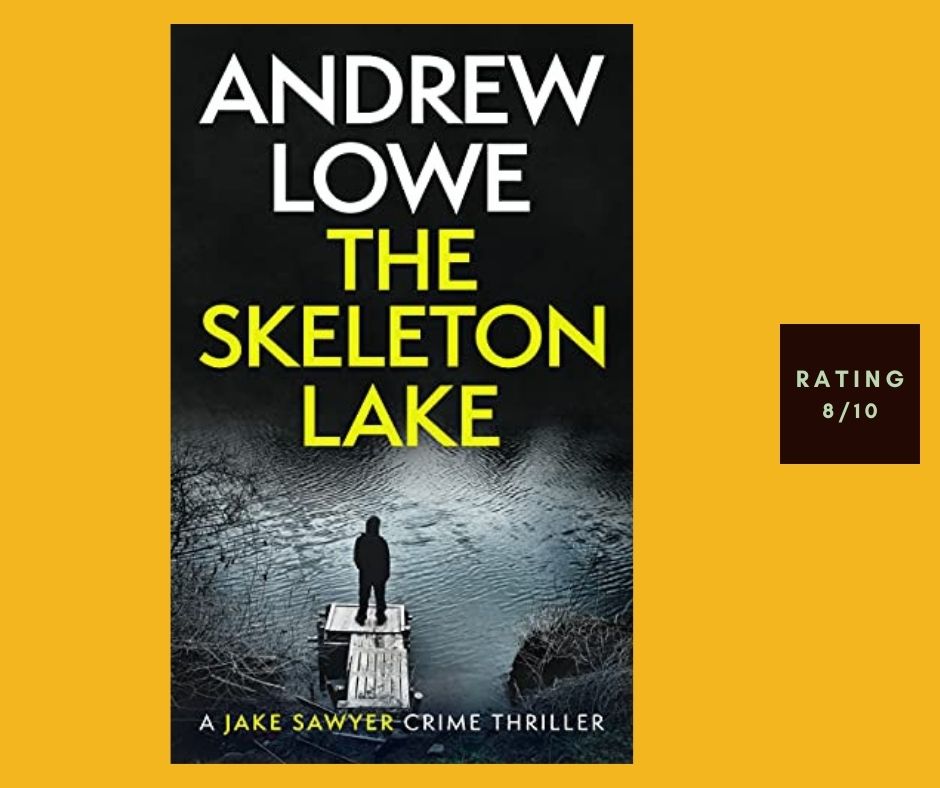
The Skeleton Lake by Andrew Lowe [8/10]
Pandemic-hammered 2021 has to be a golden age for classical UK police procedural mysteries. I enjoy regular reads of a number of authors and series, but Andrew Lowe’s series, featuring DI Jake Sawyer, is the peak. Sawyer can sound unreal in the description: tall, martial arts, articulate, attuned to horrible murderers, beset by psychological problems from his past. But the quality of Lowe’s style, with its light touch, razor-sharp dialogue, intelligence, and sprightly motion, renders Jake Sawyer as entirely credible and, indeed, heroic. All this as background for “The Skeleton Lake,” the sixth in the series, in which Sawyer, on the run since being framed in the previous instalment, and pursued by corrupt officials and police, attempts reinstatement while pursuing a baffling, macabre series of killings of older folks. The plot twists sinuously, the Peaks District locales come to life, and the large roster of characters, good and evil (you might be best to begin at Number One, Creepy Crawly), captivate. The Skeleton Lake is compulsive reading for us legions of crime fiction fans.
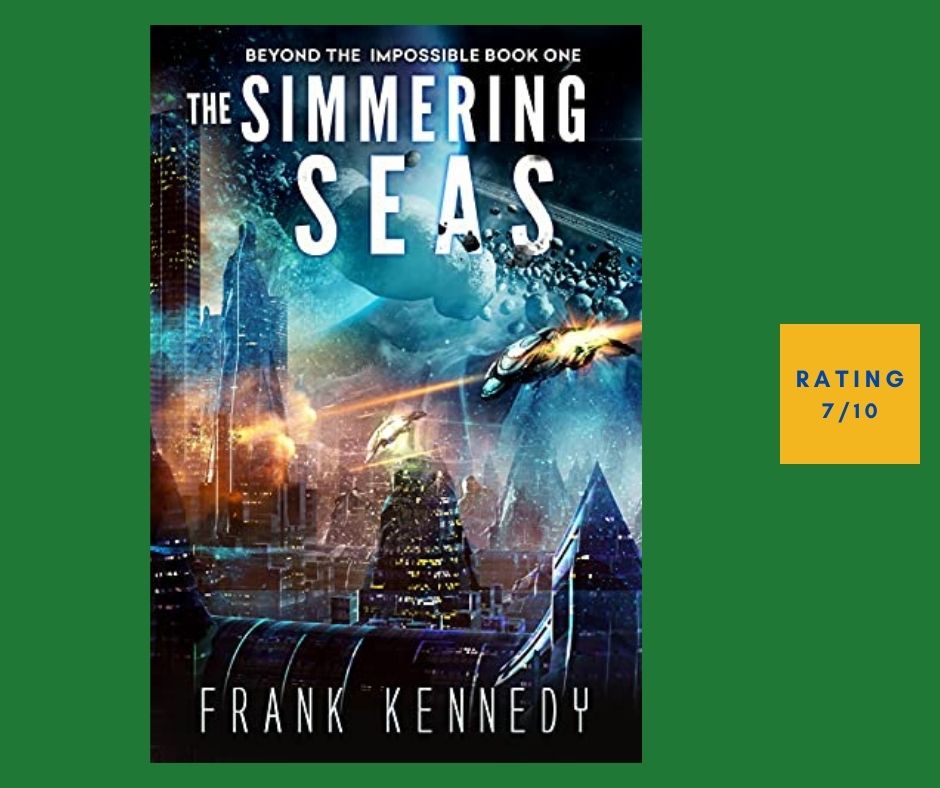
The Simmering Seas by Frank Kennedy [7/10]
Frank Kennedy pens some of the most kinetic yet cerebral space opera sci-fi around. “The Simmering Seas” launches a new Beyond The Impossible series and, if anything, the plot in this novel is even more complex and frenetic than that of the brilliant The Impossible Future quartet. The seemingly impotent Collectorate from that quartet is now vanquished and on one of its former colonies, the ringed planet Hokkaido, strange events are afoot. Something is poisoning the land. The novel’s most captivating lead character, Kara Syung, daughter in a ruling dynastic family, ventures out to discover the truth of the weirdness all around her. The other core characters, including an ex-Collectorate adventurer, and a charismatic gangster apparently immortal, tend to get buried under the unfurling and increasingly bold plot revelations, but the author maintains careful control, as ever. Kennedy is a stylish, ebullient writer and his ability to envisage both grand intergalactic dimensions and nitty-gritty local settings is wonderful. If you crave space opera, grab The Simmering Seas, or, better still, begin at the begin with The Last Everything and lap up this and the next five bold dramas.
A Dark Sin by J M Dalgliesh [7/10]
I find myself reading an instalment of the Hidden Norfolk police procedural series, starring DI Tom Janssen, every few months, and let me tell you, it is a distinct pleasure. Janssen, unlike many fictional detectives, is a straight-up mensch, a balanced soul somehow driven to employ his intelligence and energy to track down murderers. His eclectic crew of detectives are a readerly pleasure to follow. “A Dark Sin” is Janssen’s eighth outing and it is a solid hitter, rocketing along at pace and tantalising the reader with clues until the surprise reveal. When a journalist is found dead in a remote spot, underneath a noose, on the day of a teenager’s suicide years ago, Janssen swiftly diagnoses murder and begins an arduous trawl through the local community and into the shrouded past. Given the rapidly growing length of this series, I recommend beginning at One Lost Soul, Book One, and catching up fast, so that you too can bask in the ongoing adventures of DI Tom Janssen.
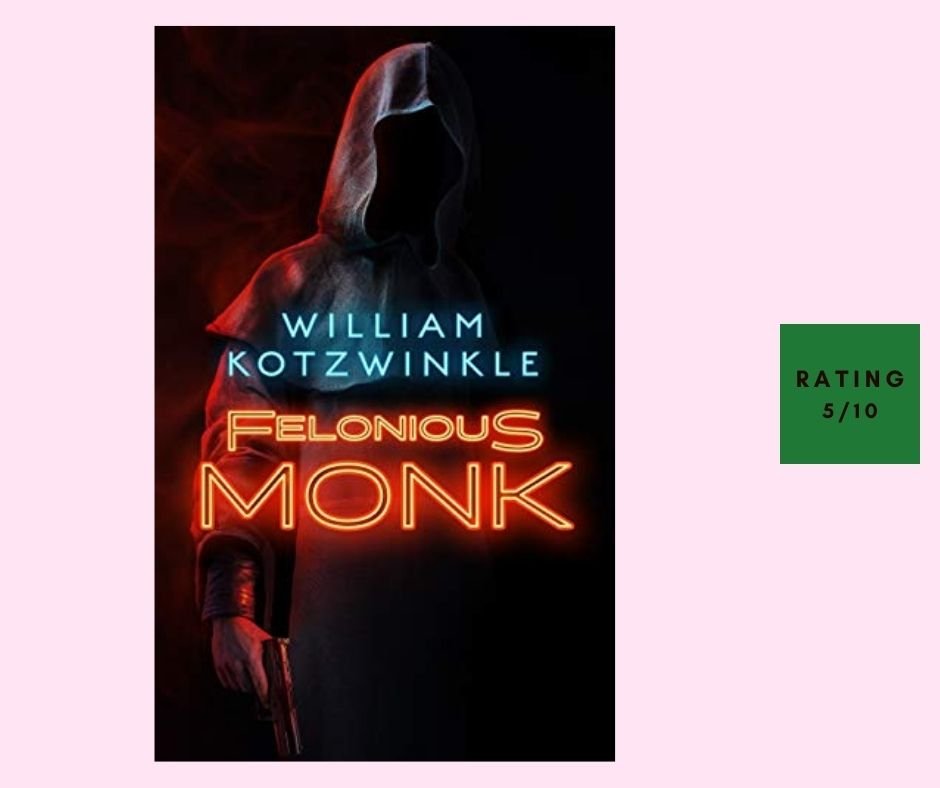
Felonious Monk by William Kotzwinkle [5/10]
Anyone who has even vaguely followed the four-decade career of William Kotzwinkle (and I’m only a dipper, having read half a dozen novels) appreciates how eclectic his output has been. Uniting all the strands has been a hard-boiled, razor-humor style. “Felonious Monk” is yet another Kotzwinkle innovation, a noir thriller about a monk! When Brother Tommy, at peace in a monastery that blunts his short-fuse temper, is bequeathed assets by a mob-friendly crooked priest, his life is upended, aswirl in a world of vying crooks, cult fanatics, and voluptuous women. As physically strong as he is blunt of temperament, Tommy navigates the open world once more while trying find moral equilibrium on his own terms. The author’s prose is bullet-blunt and his sense of pithy dialogue is undiminished. I must admit I grew weary of a roiling plot with little point beyond putting Tommy through his paces, and Brother Tommy himself remained an enigma to me. That said, Felonious Monk burns with a weird intensity and is a cracking read.
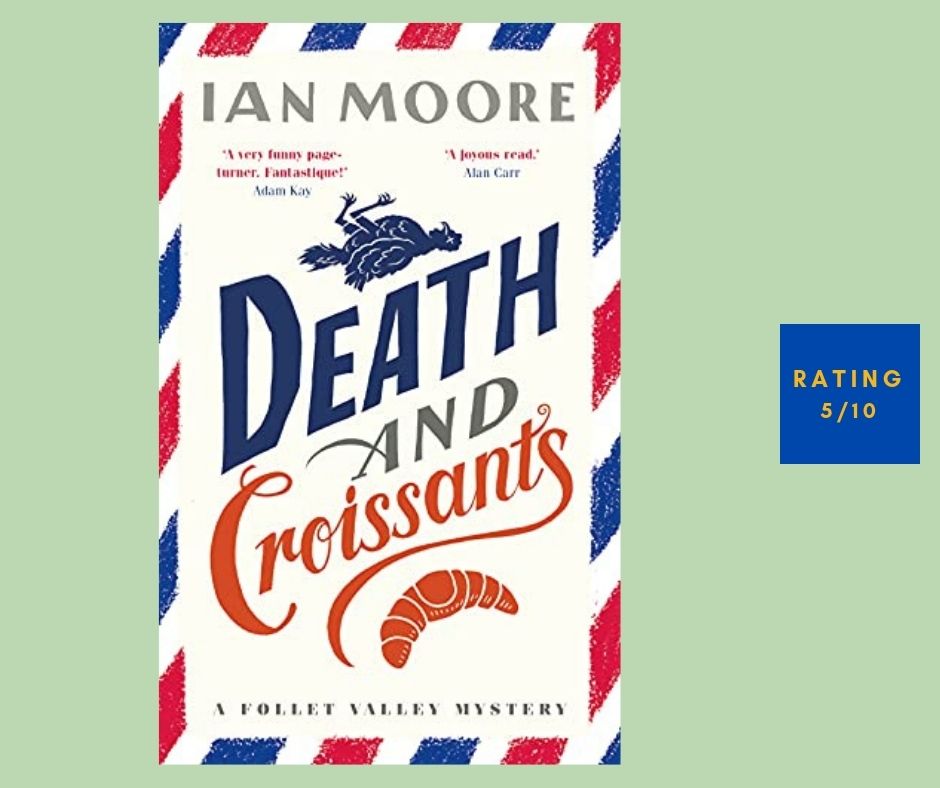
Death and Croissants by Ian Moore [5/10]
A rollicking romp set in the sumptuous Loire Valley, “Death and Croissants” combines amateur detectives with sharp humor, delivering a pleasing cosy mystery read. Richard, a shy Brit running a small bed and breakfast amongst the rural French, is catapulted into an adventure with sophisticated Valerie when a guest vanishes, leaving behind only a bloody handprint. The pleasure of this novel lies less in the mild murder puzzle or the hectic uncovering of clues, than in the amusing repartee between Richard and Valerie, and the French ambience. For cosy mystery lovers recently titillated by The Thursday Murder Club (which I enjoyed), Death and Croissants is a pleasurable debut.
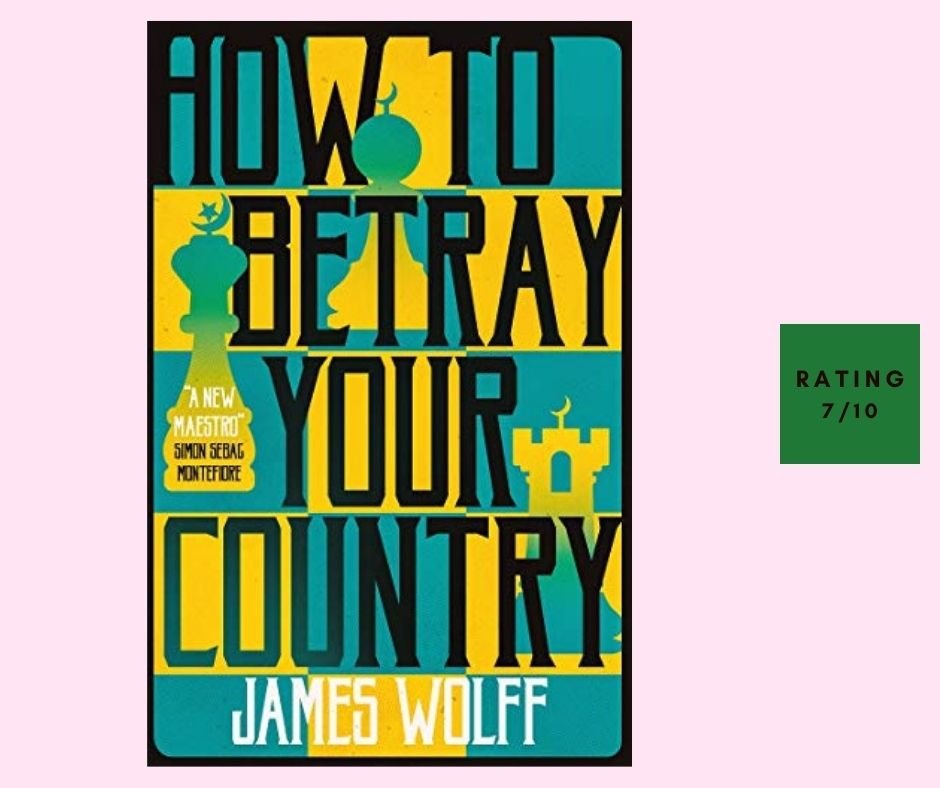
How to Betray Your Country by James Wolff [7/10]
“How to Betray Your Country” is a stylish, immersive twist to the usual spy thriller set in strange lands, for James Wolff, in his sophomore release, chronicles the tumultuous inner world of a career spy gloriously, heroically unravelling. When grief-wracked August Drummond, recently sacked, spies something going on during a flight to Istanbul, he pursues the lead and plunges back into his secret world, this time from the outside. The plot careens like a sports car through the geopolitics of terrorism in Turkey, landing him in the clutches of a Machiavellian manipulator and his ex-sp-shop-rival. The author is a flamboyant, keen stylist, the exotic settings are superbly depicted, and the pace is hectic, but the core triumph of How to Betray Your Country is its examination of a soul in crisis. For those of us steeped in spook fiction, this is an exciting departure.