Time of the Child by Niall Williams [10/10]
Niall Williams Time of the Child review

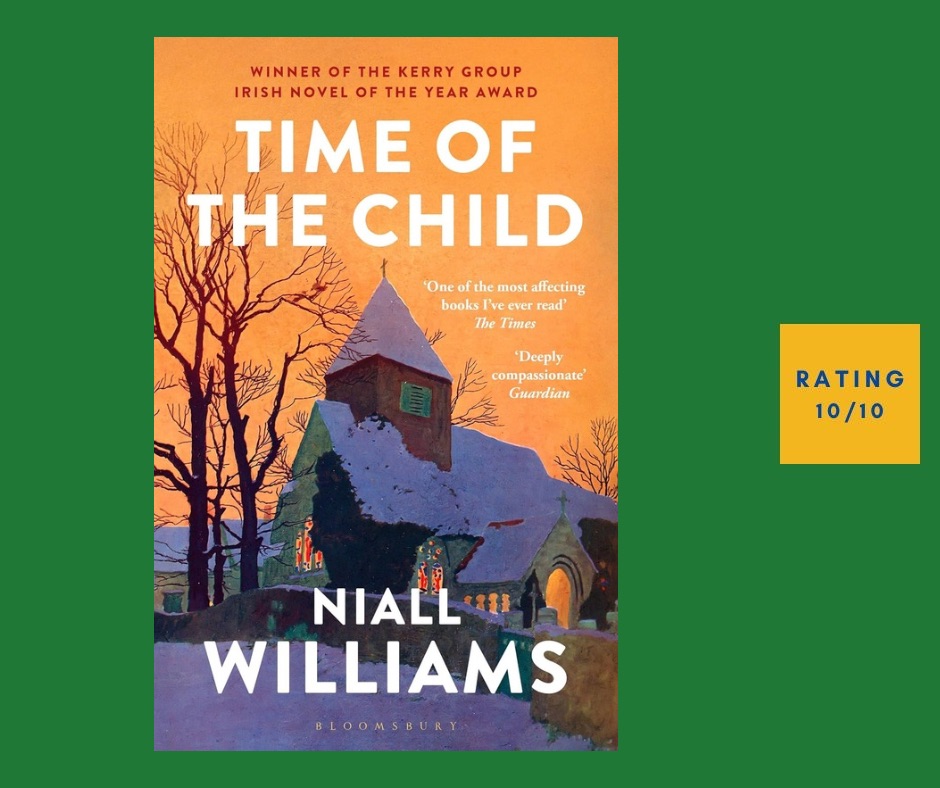
Why do Irish novelists strike so effectively at the heart, managing to be both unsentimental and timelessly true to heartbreak and joy? Claire Keegan’s 2022 masterpiece, Small Things Like These (see my review), affected me as few recent novels have, and I did not expect, as I began to read Niall Willams’s Time of the Child, to tap into deep emotions as strongly. This is especially true as Williams is a starkly different stylist to Keegan. Time of the Child commences with a seemingly rambling, person-by-person tour of the small town of Faha as Christmas approaches in 1962, the swirling introduction centered around older Doctor Jack Troy and his bookish, stay-at-home daughter Ronnie. And then a baby lands on their doorstep, a baby seemingly inevitably destined to be snapped up into the retrograde Irish orphanage system. The novel takes some time to settle into the tale of Jack, Ronnie, the baby, and yes, Faha (for the town is, yes, a character). Williams’s style is Irish-raconteur, full of sly asides, jammed with affection … the novel becomes a yarn building up with tension as a time of reckoning about the baby approaches. In lesser hands, Time of the Child would be a limping domestic drama; under the grace of Niall Williams’s pen, it is a triumph, surely a 2025 highlight.

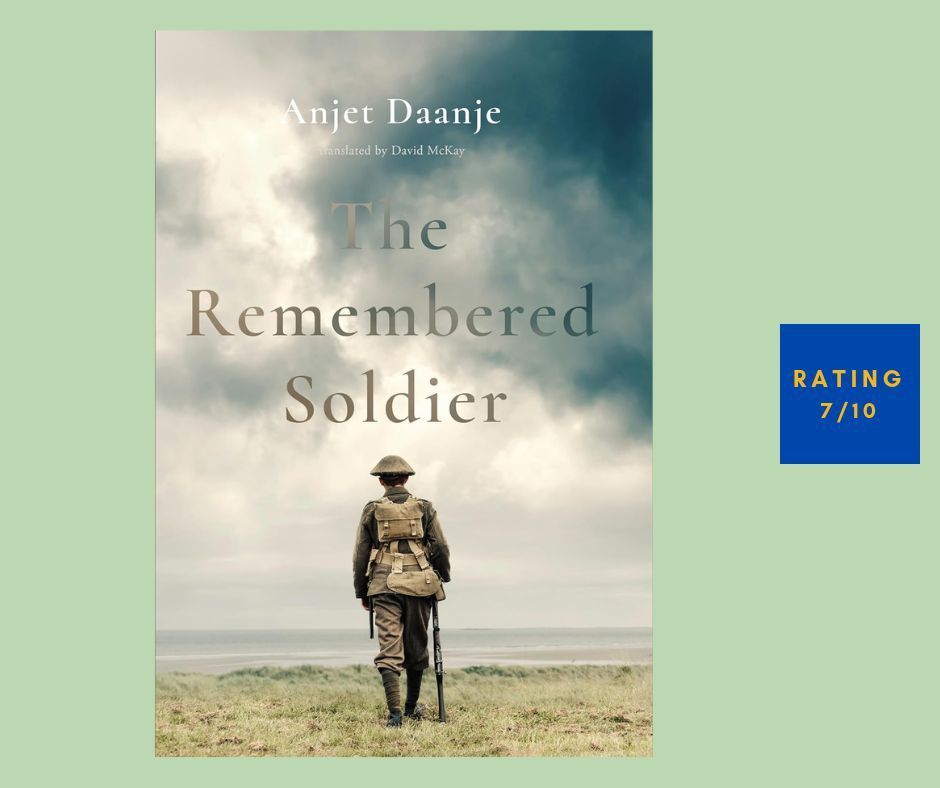
The Remembered Soldier by Anjet Daanje [7/10]

Aanjet Daanje The Remembered Soldier review

At 700 pages, The Remembered Soldier, by Dutch novelist Anjet Daanje, is an amazing feat of writing, essentially one long piece of sustained third-person-focused, paragraph-by-paragraph momentum (with most paragraphs commencing “and…” intended to propel). It is the tale of an amnesiac soldier after the horrors of World War I. Claimed from an asylum by a Flemish woman (with two children) as her eight-years-lost husband, the unknown soldier gradually gropes his way, amidst nightmare terrors and only the slightest of memories, toward some kind of light, but what kind? Is his wife his wife? Who is he? In describing the book as I read it, I am emphasizing its virtuoso strengths and for some readers, I am sure The Remembered Soldier (ably translated by David McKay) will offer a huge emotional payout, but I regret to say my reading experience felt like over-heavy bludgeoning. A worthwhile reading experience, certainly, but often unenjoyable, overlong, and tedious…

The Studio [9/10]

The Studio review

Seth Rogen was born to play the newly promoted Hollywood studio head in The Studio. With his gravelly voice, tousled appearance, and exuberance, balanced by whimsicality and a deep love of movies, he is also the co-creator and co-director of the ten episodes; it is clearly a labor of love. The conceit of The Studio is much like that of 2024’s The Franchise: each episode blasts, with utter savagery, the excesses and nonsenses of modern filmmaking. Backing up Rogen is a fine cast hamming up studio exec stereotypes, and real-life actors/directors (Zoë Kravitz, Dave Franco, Ron Howard, Martin Scorsese, Ice Cube, and many more) feature regularly and to great effect. The fluid-extended-take cinematography of Adam Newport-Berra is superb, the music works, and the script roars. If you cannot raise a laugh at Rogen trying to justify his chosen career at a conference of pediatric oncologists, or debasing himself to receive a barest “thank you” at the Golden Globes, or disrupting a sensitive sunset scene, or tracking down a missing reel of film … well, you don’t have a funny bone. If everything can feel a bit over the top, the humanity of this first season is rescued, with fine subtlety, by Rogen projecting not only his character’s excesses but also his workaholic loneliness and his abiding love of film. Highly recommended.

Families Like Ours by Bo Hansen & Thomas Vinterberg [6/10]

Families Like Ours review

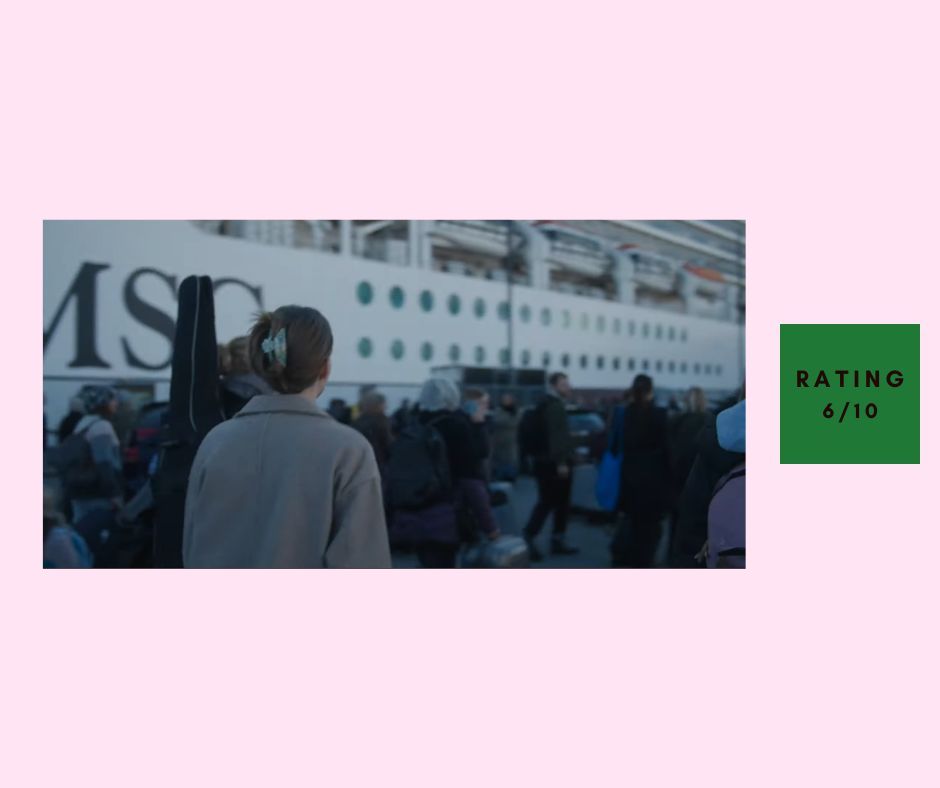
A bold and fascinating Danish film, Families Like Ours posits that Denmark, afflicted by rising seas, closes itself down, with the population rapidly fleeing as refugees all over Europe. Especially intriguing because it asks what the refugee experience might be like for upper middle-class Europeans, the movie centers around one extended family. The central male figure and his young family attempts to secure a future in France, his ex-wife ends up in Rumania, the young daughter flees in an illegal private boat, a government official and his husband cope with criminal trauma … it is all an appealing stew of stories that promises, at the outset of the seven episodes, to really test the film’s concept. Regrettably, the acting is make-work, the script, especially the dialogue, lacks crispness and dramatic tension, and key set-piece scenes do not impress, so that the end result of Families Like Ours is modest, beguiling entertainment with little memorable punch.

Flesh by David Szalay [8/10]

David Szalay review

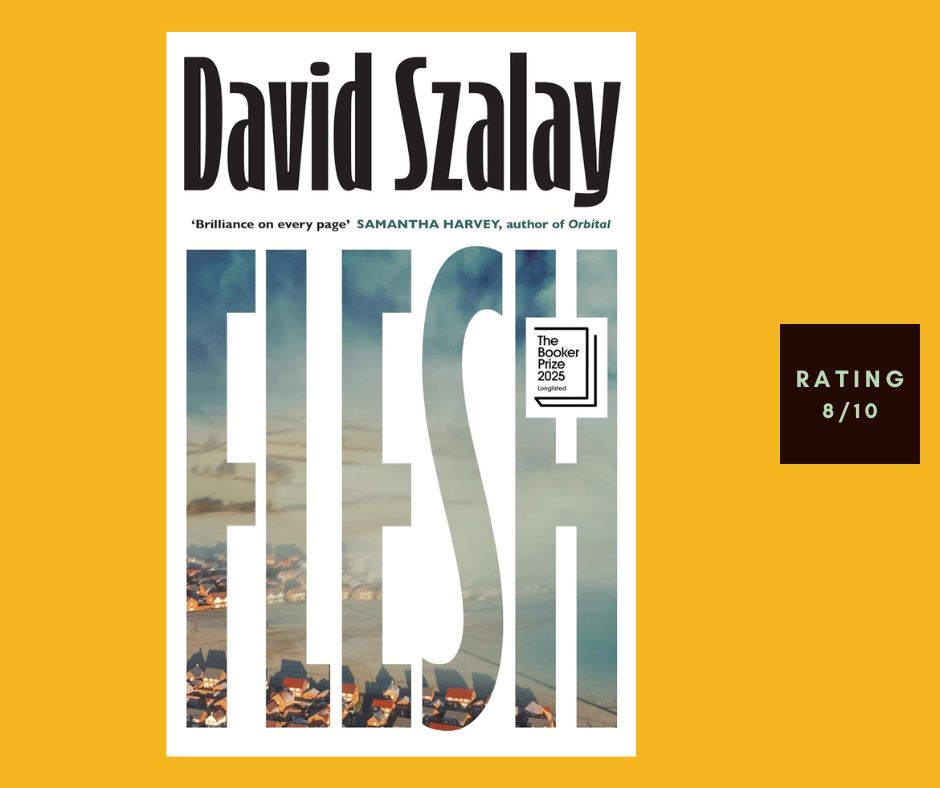
British novelist David Szalay is carving out his own path with a writing style as gravely denuded as any I have read. Rarely is there any description and when there is, it emerges as austere and beautiful. Much of the action resides in the dialogue between characters, a dialogue replete with much unsaid. Flesh, his sixth, follows a Hungarian naif from poverty through the army, thence to England where blind luck brings him untold riches and the chance for love. Of course what follows, laid out with wonderful ploy dynamics, is a descent. I found the main character tormented me with his blind stumbling through life, and the bare-as-bones writing style often threatens to derail readerly identification, but the unrelenting, grand-scale-yet-intimate plot can read like a thriller. Our antihero wrestles with themes of fate and morality and responsibility, in a world seemingly cold as ice. Overall, Flesh is difficult to recommend to many readers but it possesses a magic I shall remember.

Lonely Mouth by Jacqueline Maley [8/10]

Jacqueline Marley Lonely Mouth review

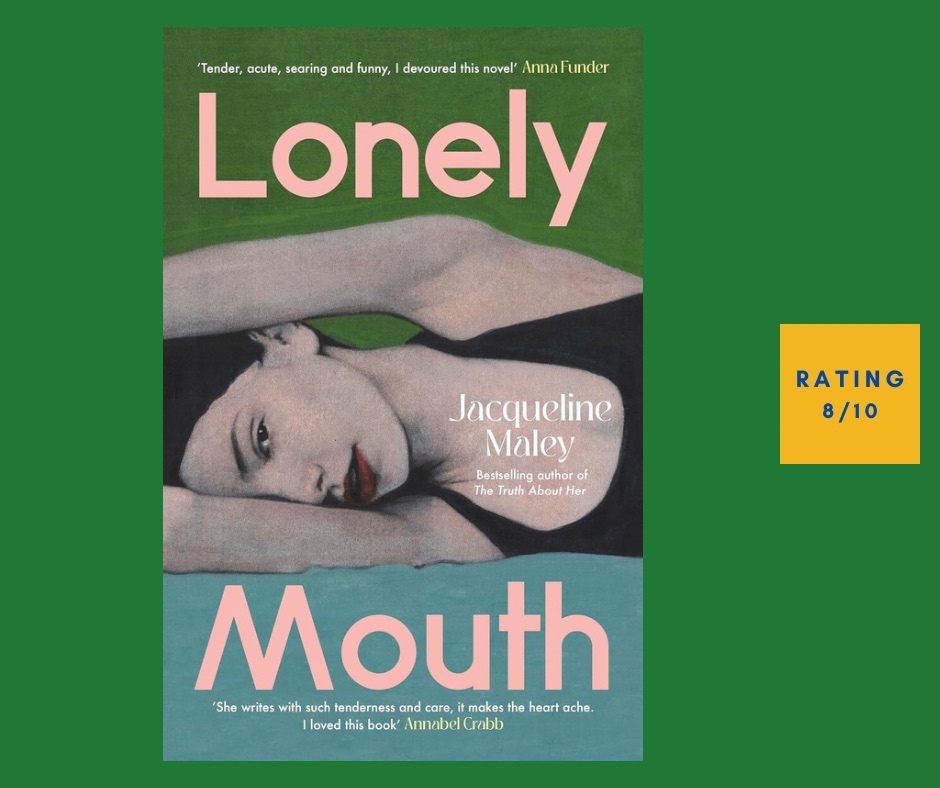
Lonely Mouth, the second novel from Sydney journalist Jacqueline Maley, eschews modern plotting drama with a careful unfolding of the life of Matilda, an orderly worker in a high-end restaurant. As a child, she was abandoned by her mother, as was her much younger half-sister, Lara, now a beautiful model. When Lara and the father who had also abandoned her, even earlier in life, both come to town, Matilda’s life gradually spirals into a new territory, one in which she has to reckon with longing, morality, and love. The book unwinds slowly, with plenty of immersive detail about the circumscribed worlds of Matilda, and is written in a gentle, detailed prose style that captivates. The author treats us with so much tenderness and subtle humor that the reading experience feels warm and quite unlike most literary fare these days. Definitely recommended: watch out for Lonely Mouth in awards.

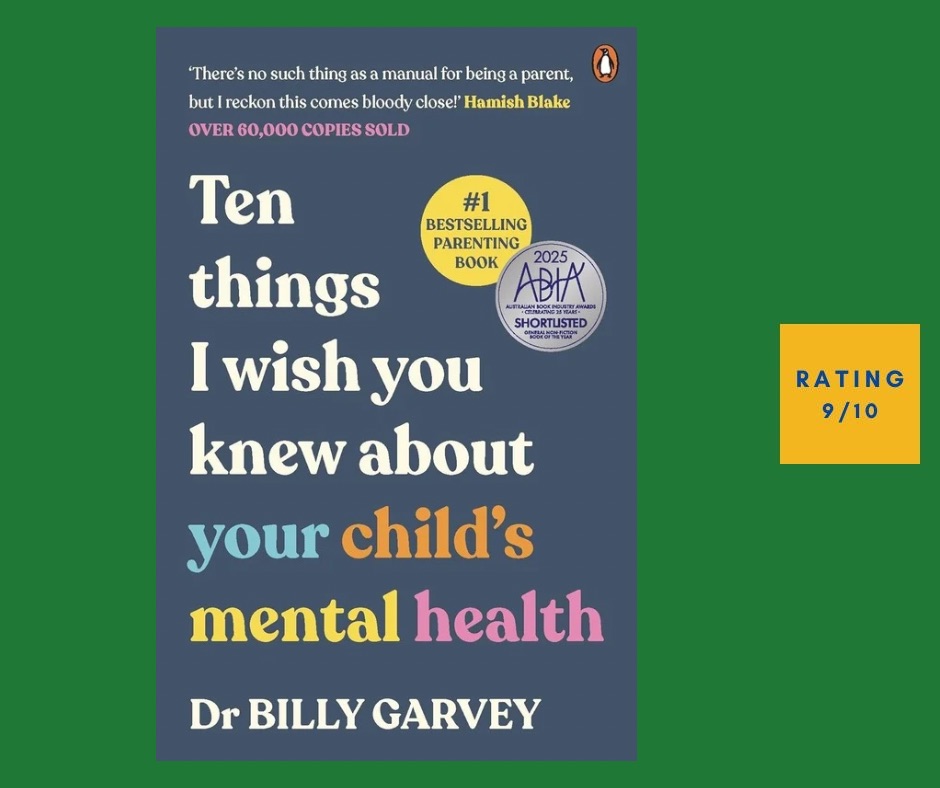
Ten Things I Wish You Knew About Your Child’s Mental Health by Billy Garvey [9/10]

Billy Garvey Ten Things review

Dr. Billy Garvey works as a developmental psychologist and pediatrician at the Royal Children’s Hospital, renowned in Melbourne. His Ten Things I Wish You Knew About Your Child’s Mental Health is clearly a labor of love and his desire to help children, young and older, is palpable. Using real-life examples and developing his “ten things” systematically and carefully, the author has written a sublime book, one this reader wishes he had read decades ago before children and grandchildren. Writing from a deep basis of research and also a long history of practice, Garvey covers the core factors of temperament and the crucial role of attachment, before offering ways forward for just about any of the issues he confronts daily as confused, sad, or angry kids troop through his clinic. The words in Ten Things are not mere words; luminous wisdom (able to draw tears) rises from every page. A must for anyone involved with or interested in children, or indeed for a reader wanting to understand herself.

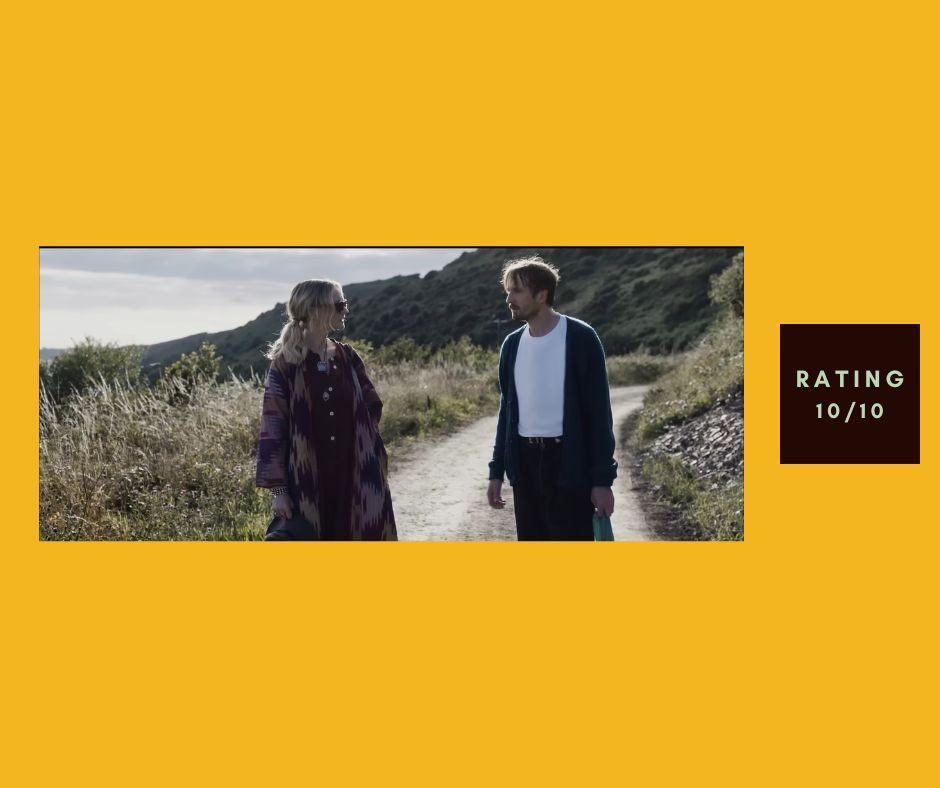
The Ballad of Wallis Island [10/10]

The Ballad of Wallis Island review

The kind of indie film we seem to see so little of nowadays, The Ballad of Wallis Island, clearly a labor of love for Tom Basden and Tim Key, who co-wrote the screenplay and star in the key roles. When a wealthy, eccentric dweller on a bleak British island splashes cash to try to resurrect his memories of a cult folk duo (famous in 2009) by paying them to do a gig on his isle, he sets in motion a sequence of small-time dramas that beautifully fall into place. Key plays the awkward, punning rich man with brilliant repartee and slowly revealed emotionality, while Barden plays the duo’s male half, now a pop star, and he portrays the persona of a rock star unsure of his artistic integrity to a tee. The star turn is from Carey Mulligan who is the duo’s abandoned female half; her performance, less important, is nonetheless pitch perfect. The cinematography is stunning, the supporting cast is wonderful, the low-kay plot continually surprises, the music is suitably fine, and the climax is an emotional (but by no means sentimental) triumph. My favorite movie of the year so far, The Ballad of Wallis Island has it all: truthfulness, perceptiveness, intelligence, and beauty.

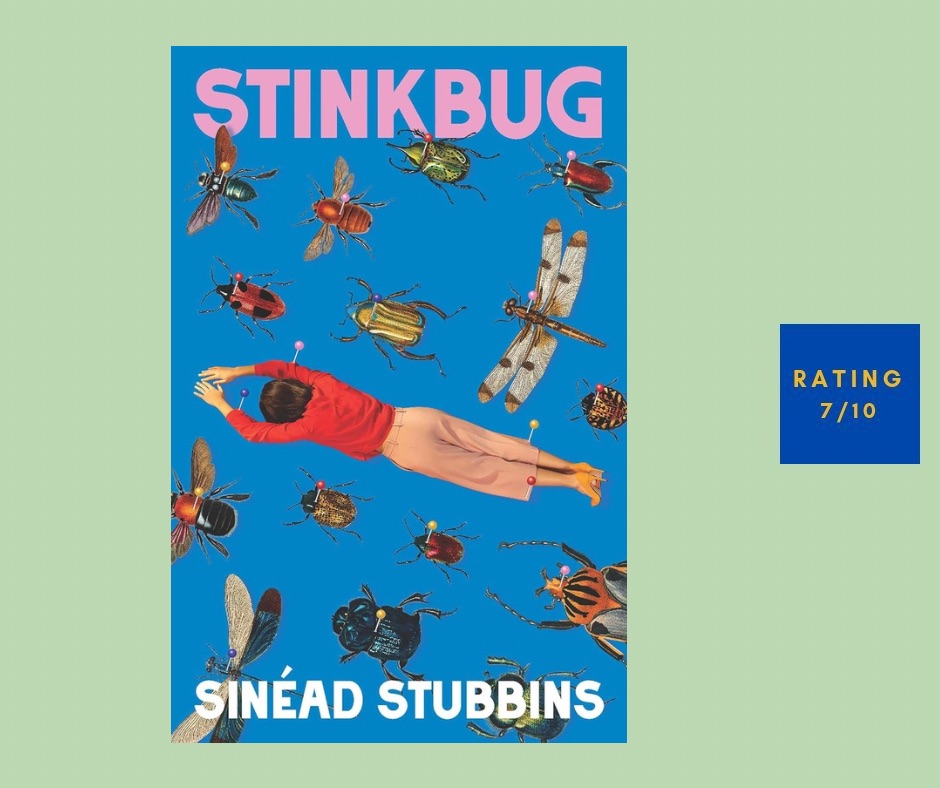
Stinkbug by Sinéad Stubbins [7/10]

Sinead Stubbins Stinkbug review

Debut novelist from my hometown, Melbourne, Sinéad Stubbins presents a trippy, dark-as-night corporate satire with Stinkbug, the title referring to that individual in a workplace at the bottom of the pile. The novel tells the tale of Edith, a cautious, conflicted advertising professional at a Melbourne marketing firm, during a corporate retreat in the bush. With the firm recently scooped up by Swedish corporates, the retreat is fraught with danger, and Edith is exquisitely attuned to risks and opportunities. The author’s style is nimble but also relentlessly snarky and savage, nearly every line slamming every aspect of the firm and all its employees, and this reader found himself longing for real drama at the book’s halfway mark. Fortunately, the build-up to the climax swaps clever commentary for absurd horror as the retreat morphs into something over-the-top horrible, and Edith’s humanity claws out of the rubble of her dysfunctional life and work existence. Stinkbug is both a mad lampoon and a cautionary tale, and also a fine read.

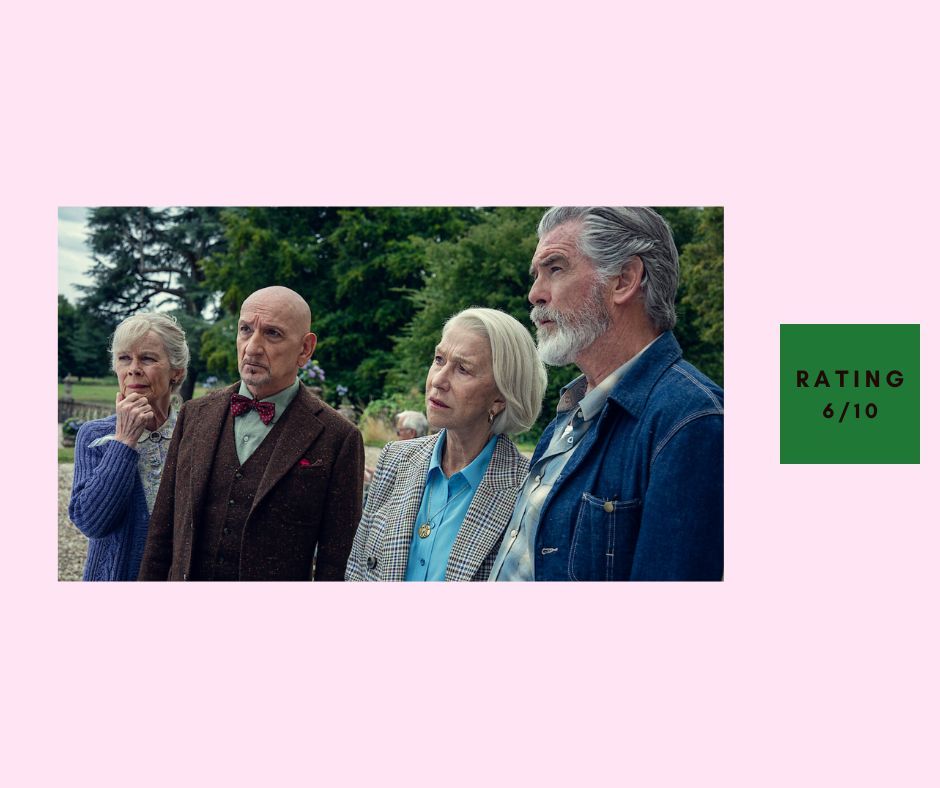
The Thursday Murder Club [6/10]

Thursday Murder Club

It was impossible to avoid the highest expectations for the screen rendition of The Thursday Murder Club, based on Richard Osman’s fizzing cozy murder series of the same name. After all, the four retirement village residents who form the club and investigate old cases and a newly arriving one on their doorstep are Ben Kingsley, Helen Mirren, Celia Imrie, and Pierce Brosnan. The book was so enjoyable! But after a boisterous start that seemed to echo the spirit of the book, the movie rapidly collapses into humdrum. Kingsley is the only actor of the quartet to fit his role. Mirren performs a pastiche, Imrie is too daffy, and Brosnan … well, what on earth is that accent of his? Perhaps the problem with the film is the ridiculousness of the plot, which in the novel feels merely daffily daring. Perhaps the problem is the insipid music. In any case, The Thursday Murder Club whiles away the time and would suit your mother-in-law, but man oh man, what a wasted opportunity!