How to Know the Birds by Ted Floyd [8/10]

Ted Floyd How to Know the Birds review

What a brilliant concept Ted Floyd, author and birding magazine editor, has devised! “How to Know the Birds: The Art and Adventure of Birding” offers 200 short essays on American birds, each of the lessons building a cohesive education on how to watch birds. Walking through the calendar year (which is essential given how much bird behavior and location depends on season), he builds up birding skills, including spotting; sighting; recognizing calls; understanding migration and breeding and ecology; population dynamics; and that bane of the amateur, taxonomy. He also delves into the modern world of eBird (a global birding app that combines list making, citizen science, and a bird location library), sound libraries, and other revolutionary Internet-based tools. Floyd is a witty raconteur and a precise educator. I’m a middling birder who reads lots of “how to do better” books and I can say that “How to Know the Birds” is my only recent journey of this kind that has markedly deepened my knowledge and skills. But it is not only for birdwatchers. Anyone with a yearning to be something of a naturalist will fall in love with Floyd’s passionate, zesty style.

Dead Girl Blues by Lawrence Block [7/10]

Lawrence Block Dead Girl Blues review

Lawrence Block is a master at what one might call philosophical noir, dark thrillers that hinge on explorations of the mysteries of good and evil and human motivations. “Dead Girl Blues,” Block’s first full-length work for a number of years, launches with a gut-wrenching tale of evil, and then settles into an ooze of tension: will justice prevail or will evil recur or is there another available path? Written in a voice at once deadpan and endlessly reflective, the tale ratchets up tension not through action but through dialogue (and Block is superb at this) and rumination. In the end, I was not sure whether “Dead Girl Blues” resolved satisfactorily, and part of the philosophical heft of the book is just that quandary. In conclusion, not typical noir at all, not a pell-mell thriller, but a slow-burn, tense read best savoured.

A Field Guide to Climate Anxiety by Sarah Jaquette Ray [6/10]

Sarah Jaquette Ray A Field Guide to Climate Anxiety review

Environmental studies academic Sarah Jaquette Ray offers us a timely in-depth look at the emotional and existential burdens of global warming, whether for activists or citizens, in “A Field Guide to Climate Anxiety: How to Keep Your Cool on a Warming Planet.” She describes it as “an existential toolkit,” and it certainly offers ideas on how to cope in our fraught era, but most of the book is an exhaustive, cogently written academic summary of a number of fields pertaining to climate change emotions and attitudes and approaches. If anyone from the fields of psychology, sociology, philosophy, social movement studies, or mindfulness, has written about how we can deal mentally and emotionally with our fearful future, Sarah Jaquette Ray. For my liking, “A Field Guide to Climate Anxiety” is less the “How-To” book that I desperately seek and more the treatise I don’t need, but Ray is such a skilled educator and clear scribe that a reader can’t help but leave the book wiser. And towards the end, some core ideas on hope, guilt, and the end of the world spring to the forefront, and the final chapter is, in my opinion, exhilarating. A valuable, pertinent addition to the many books we should be reading about the Anthropocene Era.

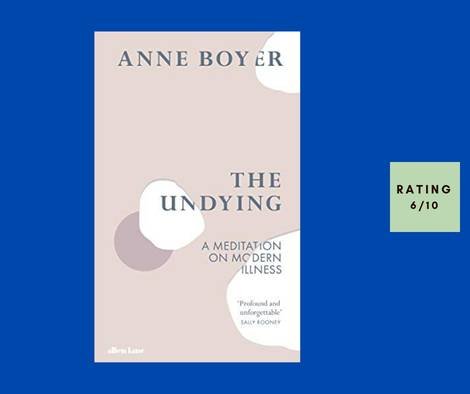
The Undying by Anne Boyer [6/10]

Anne Boyer The Undying review

Single mother Anne Boyer, reliant on pay check when rough breast cancer strikes, shows what a real poet/essayist can do in the illness memoir field. “The Undying: A Meditation on Modern Illness” is an unrelenting, frank, intelligent examination of the experience and the modern culture and milieu of cancer. Boyer references today’s bloggers and ancient texts, she rages against the pain even as she takes it on, and she angles her camera in every way imaginable. I found myself swept along, sometimes nonplussed by the erudition but mostly admiring the prose. Our landscape of pain and death fascinates me (of course it terrifies even more) and I basked in this read. Recommended.

Breath by James Nestor [8/10]

James Nestor Breath review

Nothing is more straightforward than breathing, right? Wrong, writes enterprising journalist James Nestor in “Breath: The New Science of a Lost Art.” His pell-mell, globe-trotting exploration of the seemingly mundane, but endlessly intricate, activity of human breathing is a stylish treat to read, and it never ceases to provide wonderment. Nestor tackles research papers, spends time in scientific labs, digs up accounts of way-out-there “pulmonauts,” interviews athletes and coaches, and travels the world looking for clues. I won’t spoil the book’s discoveries, which sometimes seem mundane and sometimes revelatory, but suffice it to say you’ll never view breathing in the same way again. Nestor is not afraid to present (indeed, to investigate them personally) almost contradictory breathing methods, and his narrative and explanatory grip of a vast expanse of material is outstanding. I now try to breathe differently. “Breath” is a valuable, intoxicating brew of research and advice.

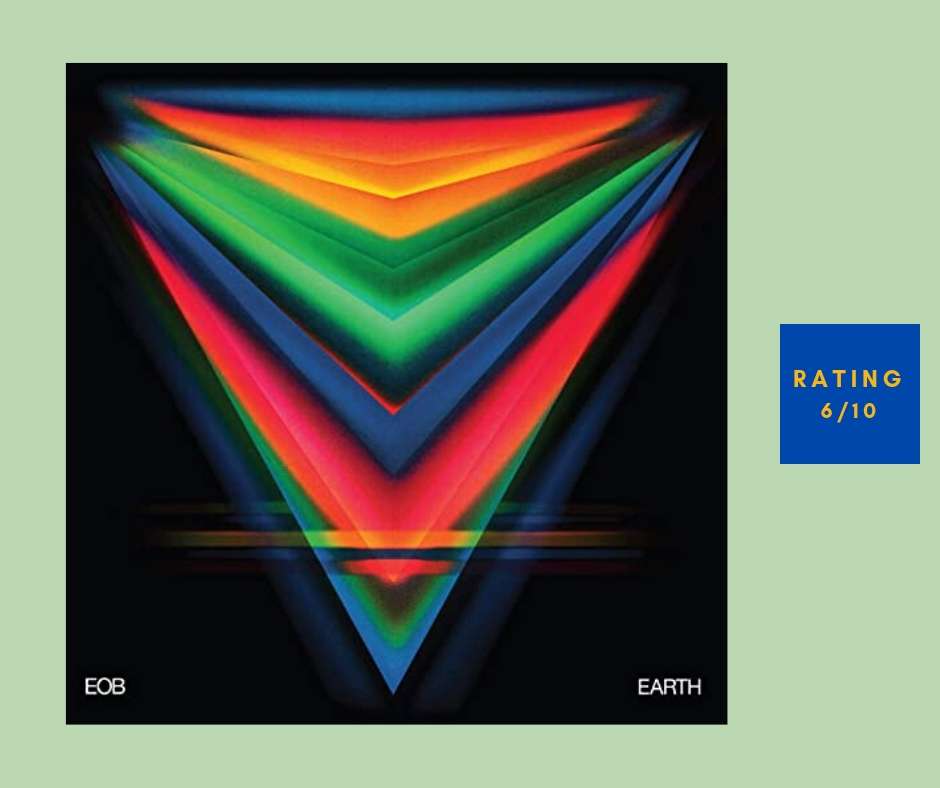
Earth by EOB [6/10]

EOB Earth review

Radiohead guitarist Ed O’Brien’s debut “Earth” is an odd throwback to that mix of prog and new wave and guitar rock that characterized his band at the outset, but which also draws on the meandering musicality of the late 1960s and 1970s. An eclectic grab bag of upbeat and muted songs, all fizzing with his intelligent guitar and synths, featuring his undramatic but effective vocals, “Earth” drifts and surges and chugs. The lyrics fit in with the instrumentals, more effect than substance. Check out the driving, proggy “Olympik”; “Brasil,” a long, soaring and churning highlight; and the irresistible, chugging, syncopated “Shangri-La.” If some of the tracks leave little to memory, the result is a pleasing lockdown-friendly whole.

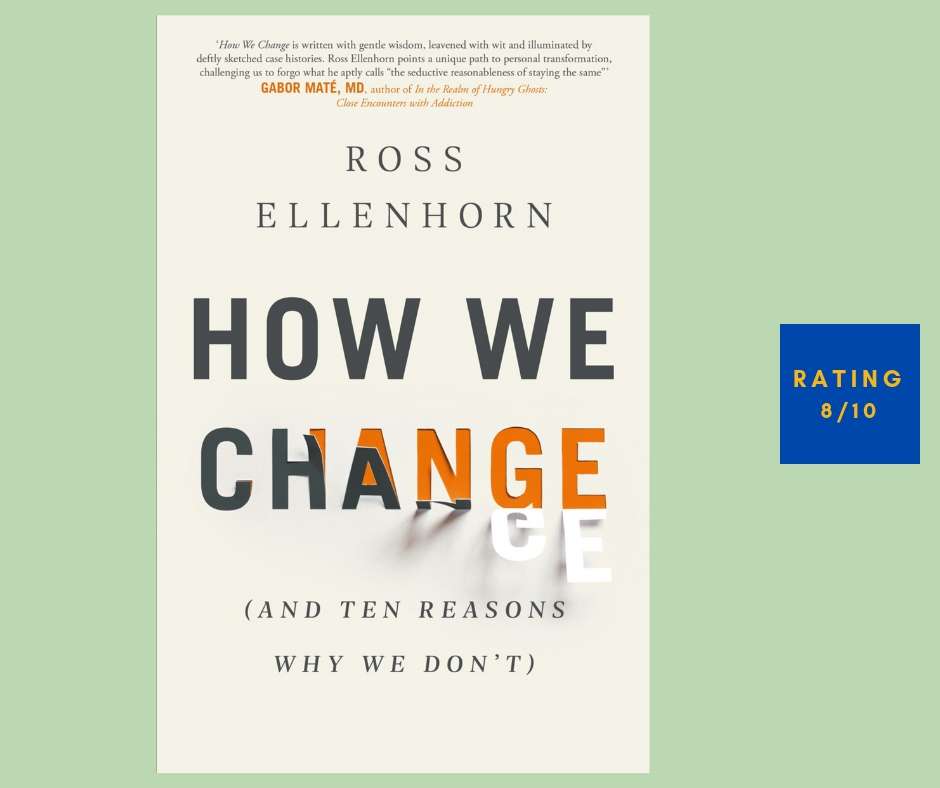
How We Change by Ross Ellenhorn [8/10]

Ross Ellenhorn How We Change review

A wonderment among “how-to” books, “How We Change (and 10 Reasons Why We Don’t)” is the distillation of a life’s work by psychotherapist (and sociologist) Ross Ellenhorn. I’m a fan of change management books, which is a way of saying I read many but act on very few. Unlike most, “How We Change” is not a recipe book of cause-and-effect steps but a closely grounded look at our inner psyches, drawing from a number of disciplines but principally existentialism (which I’m drawn to). Change, Ellenhorn explains clearly and engagingly, is tough for many deeply rooted reasons, some momentous, some (seemingly) trite, and psychologically we all have excellent reasons to resist change. Perhaps, he says, staying the same is an attractive option. At the very least, by running gently with ourselves on this issue, we can find it easier to shift. Populated by apt case studies, some drawn from his own experiences, the book lays out a fertile groundwork and then explores ten rationales (which can, in any given situation with a given person, be false or significant) that stymie change. Ellenhorn is a smooth prose stylist with just the right balance of seriousness and lightness and humor, and I turned the final page with a real sense of renewed purpose looking forward. Heartily recommended for anyone yearning to alter something, hefty or tedious, in their lives.

Bruny by Heather Rose [6/10]

Heather Rose Bruny review

Heather Rose launches her novel “Bruny” with the speed of a rocket, plonking a United Nations conflict resolution expert back on her home of Bruny Island in Tasmania. A huge bridge-in-the-building has been sabotaged and her brother, the Australian state’s premier, and her sister, the opposition party’s leader, need her help. If all that sounds outlandish, Rose does a wonderful job of making it work, with a loping pace and stylistic brevity. The writing is first-rate and anyone who has ever been to the beautiful island will swoon at the setting. For over three quarters of the novel, “Bruny” is a captivating literary thriller heading for an impossible-to-guess climax. I confess the final portion of the book unparceled the tension and explained, rather than dramatised, the arcane plot, leaving me a trifle unfulfilled. Be that as it may, this novel is a splendid quick read of high topicality and punchy prose. Recommended.

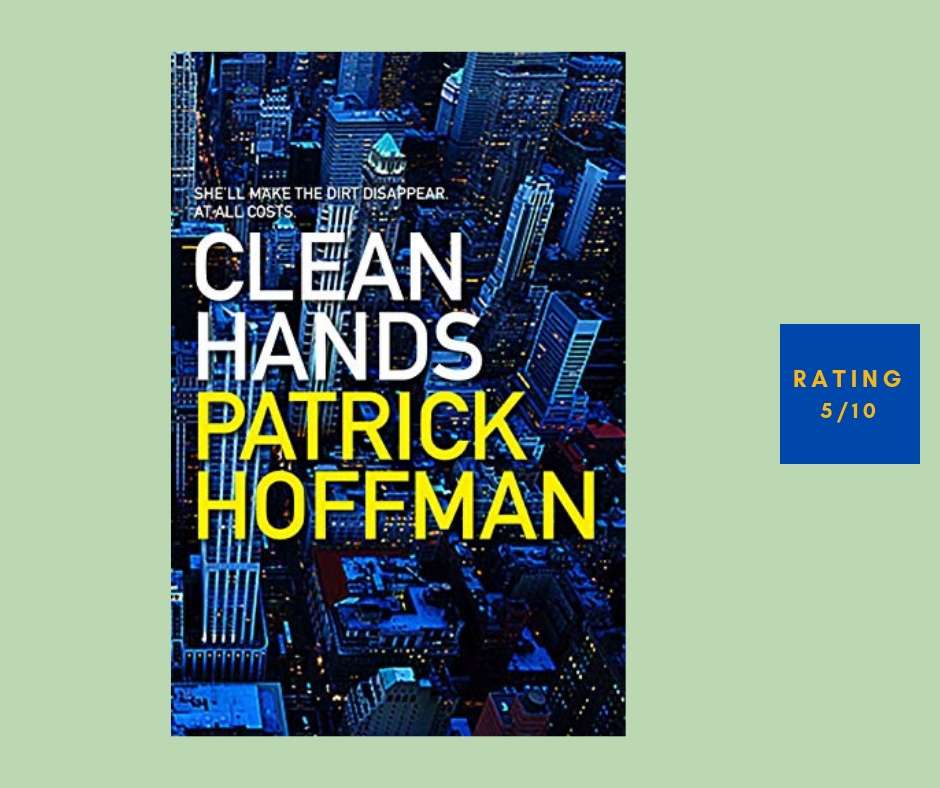
Clean Hands by Patrick Hoffman [5/10]

Patrick Hoffman Clean Hands review

A corporate New York thriller unfolding at breakneck speed, “Clean Hands” makes for entertaining reading. When a mobile, with incriminating documents, is stolen, a hotshot female lawyer engages a high-stakes fixer to, well, fix things. Featuring a cascade of characters, from petty thieves to underbelly procurers to Russian gangsters, the tale twists and turns agreeably. The Big Apple atmospherics are richly drawn. A certain flatness in the characters meant I never really engaged during my one-sitting lockdown read, but the tightly controlled pacing and the caper-style twists ensured an enjoyable journey.

An Indifference of Birds by Richard Smyth [9/10]

Richard Smyth An Indifference of Birds review

An Indifference of Birds,” a slim (109 pages), hard-to-obtain British masterpiece by writer/reviewer Richard Smyth, has enriched my life in a way that none of the other numerous birding books I’ve read managed to do. It’s achievement is this: by flipping the viewpoint to how birds view humans, rather than the usual perspective, it has revolutionized my thinking about us human creatures and the birds on our warming planet. An early new insight (I guess I knew it, but really didn’t) is that “no human was ever born into a birdless world”; birds have flown the Earth perhaps fifty times longer than humans have roamed it. And later in the book: “to birds, we might as well be weather”; we are the centre of our worlds, but birds are birds, and birds do what birds do. Each of the five chapters offers stark new perspectives on history, environmentalism, rewilding, global warming; on and on the thought gems flow. And Smyth is a beautiful, rhythmic prose stylist. How many times did I gasp with astonishment at his flowing riffs on the avian kingdom? Enough, enough: if you have any interest in the world beyond your door, latch onto “An Indifference of Birds,” a highlight of 2020’s lockdown reading.