Murderbot Season 1 by Chris & Paul Weitz [9/10]
Murderbot Season 1 review

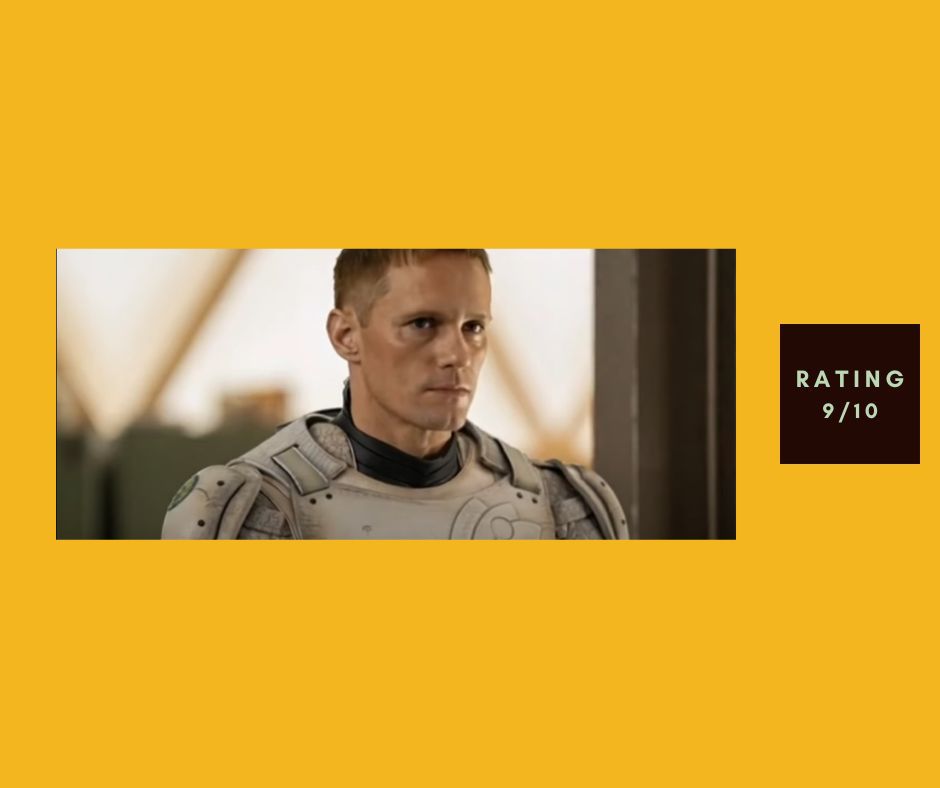
Martha Wells’s eight novellas/novels in the Murderbot Diaries series, published over the past nine years, are already regarded as classic science-fiction. A groundbreaking examination of the emerging sentient life of a security robot who has “hacked its governor module,” it is an emotional, funny, quirky, thrilling series, and one not easily packaged onto a screen. Amazingly then, Season 1 of Murderbot, directed and written by brothers Chris and Paul Weitz, is a resounding triumph. Anchored by a brilliant acting performance from Alexander Skarsgård as the deadly, confused, alien-thinking security robot (called SecUnit by the humans in this tale, named Murderbot by himself/itself), the ten-episode series closely tracks Wells’s Book 1, All Systems Red, but leans much more toward examining the awkward interplays between SecUnit and a bumbling, idealistic spaceship crew that begins to “adopt” him/it. The series especially plays up the hilarious inner dialogue of SecUnit as it continually retreats into watching a terrible human soap opera, The Rise and Fall of Sanctuary Moon. The show is paced superbly, supported by wonderful acting (I especially appreciated Noma Dumezweni as the hapless crew’s leader, Akshay Khanna as an especially naive but loving scientist, and David Dastmalchian as a cynical augmented human), enlivened by splendid action scenes, and blessed with terrific world building and cinematography. Imbued with a different vibe than the book, this first season of Murderbot (may there be many more!) nonetheless does just as impressive a job of relating a thrilling tale of robotic sentience with a genuinely moving arc. Brilliant.

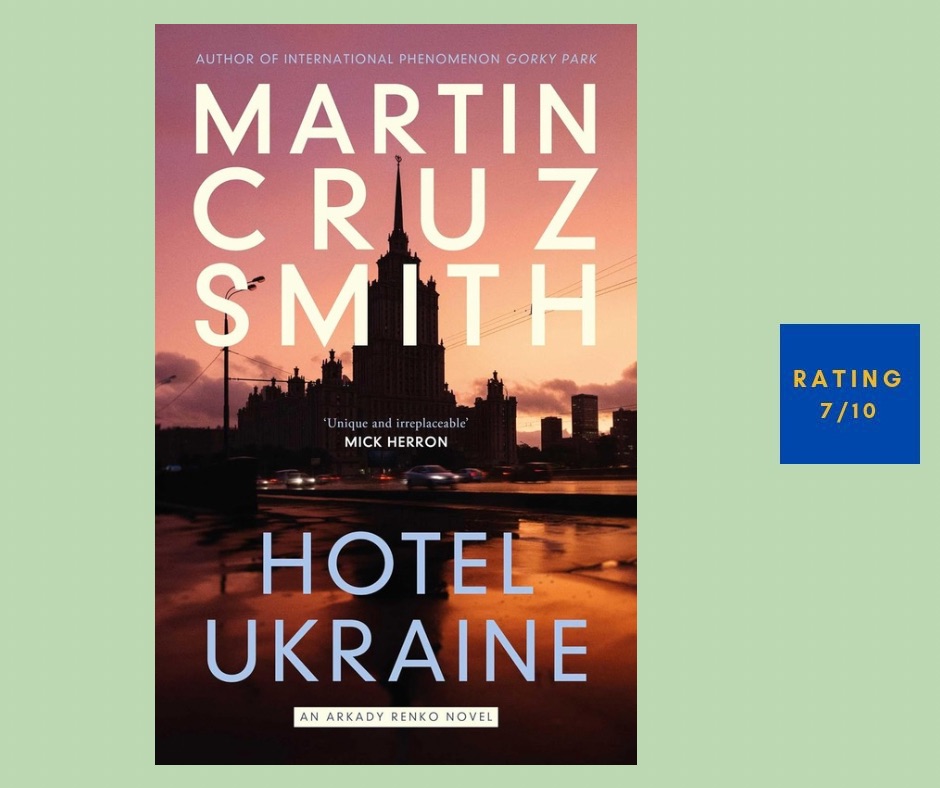
Hotel Ukraine by Martin Cruz Smith [7/10]

Martin Cruz Smith Hotel Ukraine review

Soon before he died, after a long period of suffering from Parkinson’s disease, Martin Cruz Smith published his final and eleventh mystery starring dogged, brilliant Moscow investigator Arkady Renko, Hotel Ukraine. By now Renko is afflicted with Parkinson’s and in this farewell performance, the brutal hotel room murder of a Russian official sets Renko off on a quixotic, baffling investigation. With his nation having just invaded Ukraine and Putin cracking down on any dissidence, Renko faces obstacles in addition to his illness and the facts of the case, including threats to his journalist wife and his son. Over the years, the author’s plots have grown more epic, in the usual sense of the word (by which I imply, with no real criticism, the plots became less twisty and more confrontational), and his style, never florid, has turned even more spare. The result is a quietly satisfying, fascinating mystery that caps a stellar, forty-four-years-old series.

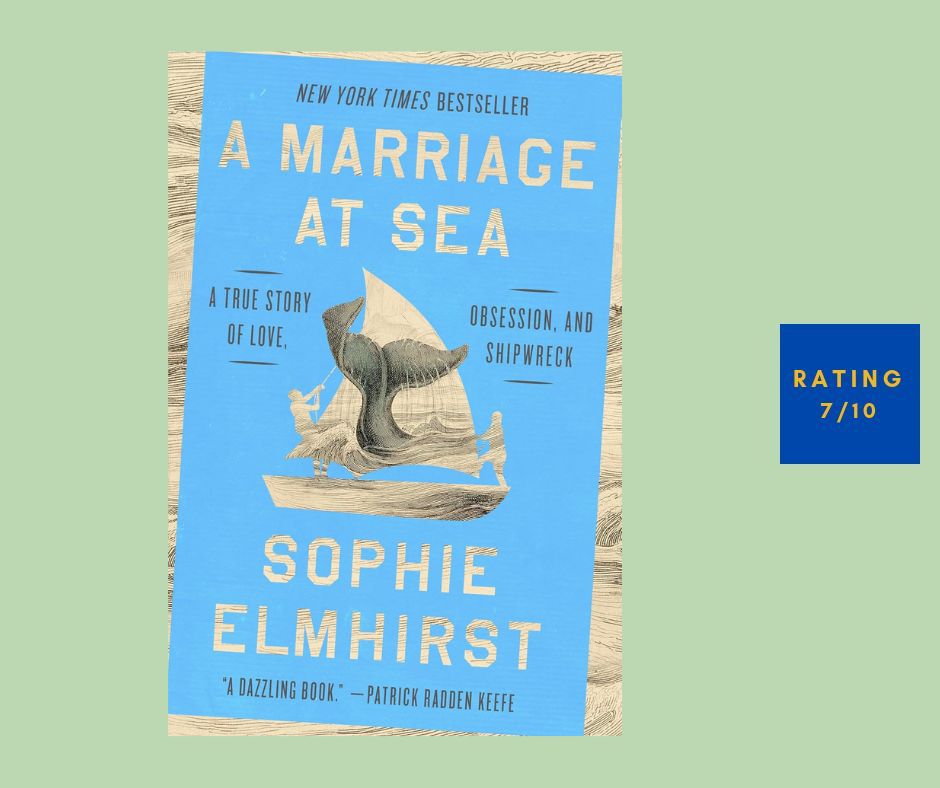
A Marriage at Sea by Sophie Elmhirst [7/10]

Sophie Elmhirst A Marriage at Sea review

Journalist and author Sophie Elmhirst stumbled upon an amazing true story largely set in the early 1970s and has turned it into a fascinating book. A Marriage at Sea: A True Story of Love, Obsession, and Shipwreck relates how a “odd couple”—Maurice, the difficult, particular loner and practical, questing Maralyn—decide to abandon their humdrum lives in England and fling their life savings into a small boat they use to sail toward New Zealand. A year in, a dying whale sinks their vessel and they find themselves adrift on a teeny dinghy tethered to a life raft. What ensues is a horrendous, yet (in the hands of such a wonderful writer) rousing ordeal that tests every fiber of their bodies, as well as their relationship. At the time, their story was huge news for a long time, and both Maurice and Maralyn wrote copiously about their lives, so the author’s task does not want for material, rather her achievement in A Marriage at Sea is a stylish, ruminative curation of two lives under stress. This is a page-turning, wise book that will, I suspect, end up in many a Christmas stocking and rightly so.

Dept. Q by Scott Frank [10/10]

Dept. Q review

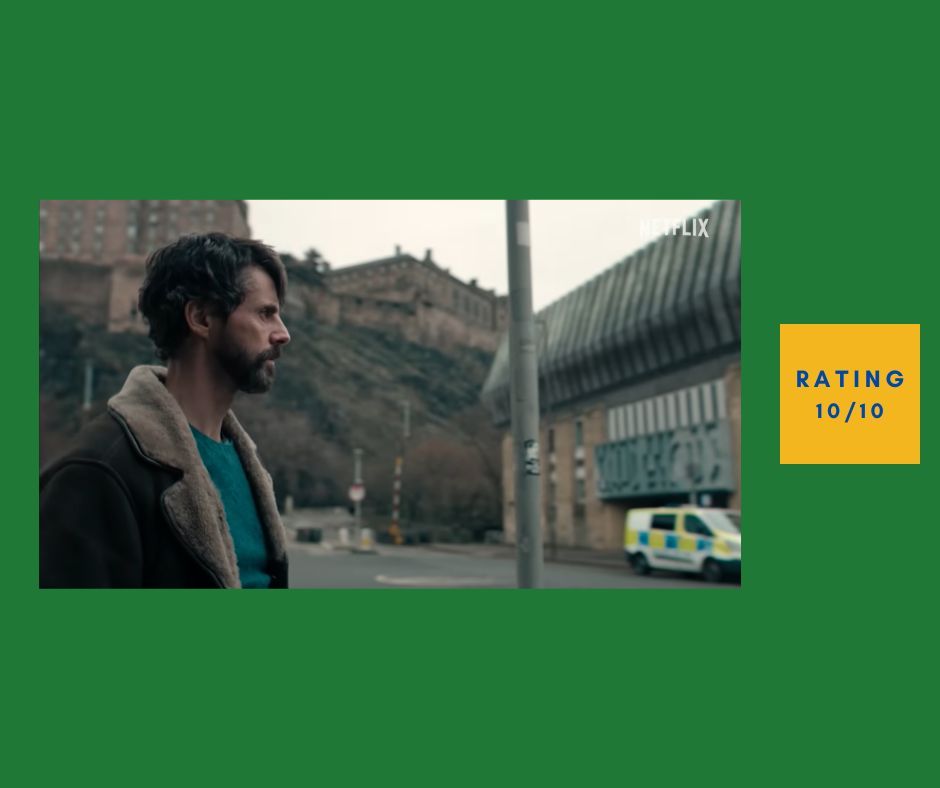
Writer/director Scott Frank has alighted upon a winner, a spellbinding series of ten crime fiction novels by Danish author Jussi Adler-Olsson, and his first nine-episode season of Dept. Q is clearly wondrous from the very opening scene. Matthew Goode is riveting as Carl Morck, a maverick, obnoxious homicide detective returning to work after being shot. Assigned to a new cold cases department in a musty basement, his first case is the mysterious disappearance four years earlier of a public prosecutor (also portrayed perfectly by Chloe Pirrie). Scott Frank directs and cowrites most of the episodes and you can see his impeccable footprint in every superbly staged scene. The plotline, featuring twist after twist, is one feature of this series that keeps the viewer on tenterhooks for nearly seven hours, but other exemplary aspects are razor-sharp, funny dialogue, and wonderful acting throughout (hats off to Alexej Manvelov and Leah Byrne as Morck’s happenstance sidekicks), scything cinematography. Dept. Q never falters in quality and pace, and will be a 2025 highlight for any sane viewer.

The Pitt Season 1 [9/10]

The Pitt review

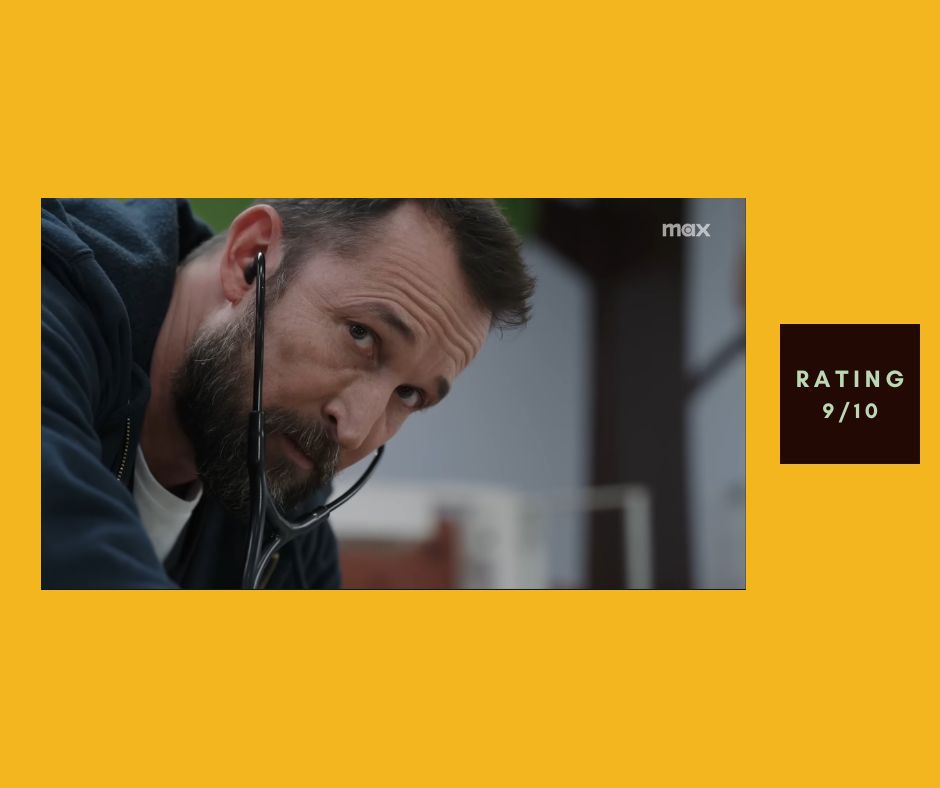
There are those who adore medical movies and shows. Not me. I’m not only squeamish but medical arcana bores. So I came to The Pitt, a fifteen-episode (one episode per hour in a day) show about an emergency department in Pittsburgh, with reluctance. It only took one episode to blast away my concerns, for this is very much medical, medical, medical, but only as an excuse for slice-of-life drama of the highest order. Following a team of trauma doctors, including a handful of first-day student doctors, the show’s mechanics involves, as expected, a constantly shifting camera illuminated a wide variety of medical emergencies, with plenty of close-up views, plus the doctors’ individual stories, plus the high drama of medicine in poorly serviced America. What distinguishes the show is superb storytelling paced perfectly. Solid acting buttresses the show, with the lynchpin being Noah Wyle, excellent as Doctor Robby, head of the shift. Do we really need fifteen hours? Maybe not, but The Pitt entertains and enriches for every one of its fifteen. Recommended.

The Bear Season 4 [10/10]

The Bear Season 4 review

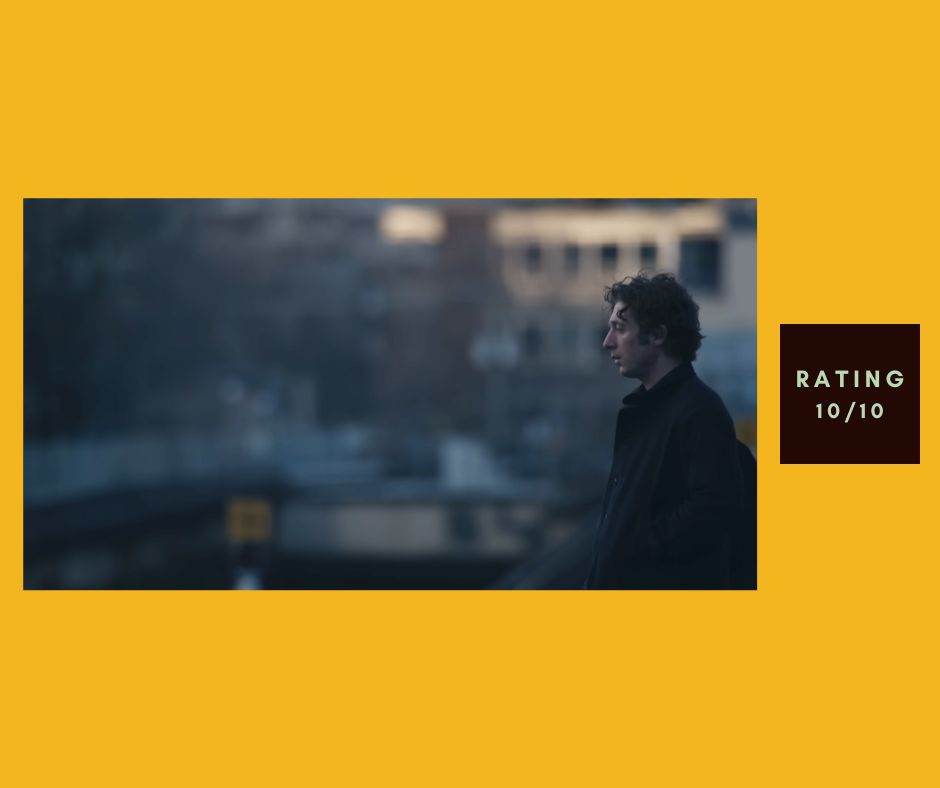
The slow but shouty and intense restaurant drama of The Bear seems to repel some viewers but this reviewer has been entranced since the opening episode (check out my reviews of Season 1, Season 2, and Season 3). The story of a restaurant named for its chef is the story of Carmy (The Bear), a laconic Chicagoan obsessed with becoming the best of the best in his trade, a man hiding from his tumultuous family (many of whom work at The Bear) and from his own uncertainties. Stunted in his personal development, he returns to Chicago upon the suicide of his blustery brother and converts the family beef joint into a Michelin aspirant. Plenty of creators would tackle this dual chef-restaurant tale over the course of a movie but the show’s creator and core writer/director Christopher Storer lingers in order to spotlight the milieu of high-end cuisine and to hunker down into the lives of his large assemblage of characters. It veers from comedy to tragedy to farce to high art, often within individual episodes, and Storer is never afraid to experiment (Season 3 angered some fans with its strange episodes). The acting is as good as any I’ve seen this year (and the previous three years), with so many superlative performances one cannot do them justice. Needless to say, Jeremy Allen White is magnetic as Carmy. In Season 4, Carmen wrestles with his life as his creation hauls itself out of disaster after a mediocre review, while Carmen’s offsider Syd is tempted by an outside offer. Each of the ten episodes is strong and real, and Storer has again fielded one extra-long tumultuous episode showcasing the Berzatto family in all its chaotic variety. Perhaps signaling an approaching end to the series, some of the plot outcomes are touchingly sappy. Overall, Season 4 is another example of Golden Age perfection.

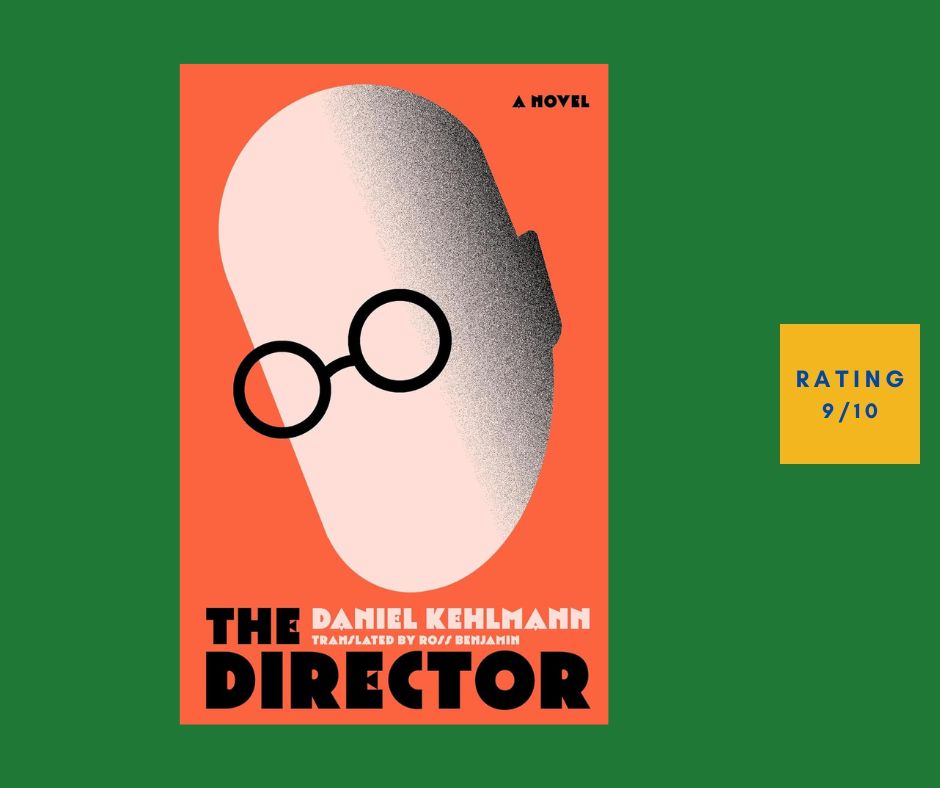
The Director by Daniel Kehlmann [9/10]

Daniel Kehlmann The Director review

Author of the impressive 2017 novel Tyll, among many novels, German author Daniel Kehlmann tackles, in The Director, the story of mid-20th-Century film director G.W. Pabst, who flees the Nazis in the early stages of World War II but then, through happenstance, ends up back in Austria just before Germany conquers and closes borders. Pabst resists but no one can resist Goebbels, who needs skilled movie practitioners to produce Nazi propaganda movie, and soon Pabst is on a slippery descent into hellish complicity. Adding fictional elements into a true skeleton of a story, the author creates a rattling tale that never eases, from before the war until well after. Kehlmann is a master at filmic (dare I say) switches of scene and character, and individual scenes are all varied and brilliant. An exploration of art and love amidst evil, the book is also a dark satire of tyranny and human failings. A final plot twist struck this reader as astonishingly startling and apt. The Director is a tour de force of a literary novel that reads like a thriller filled with foreboding.

Last Bullet by Guillaume Pierret [6/10]

Last Bullet review

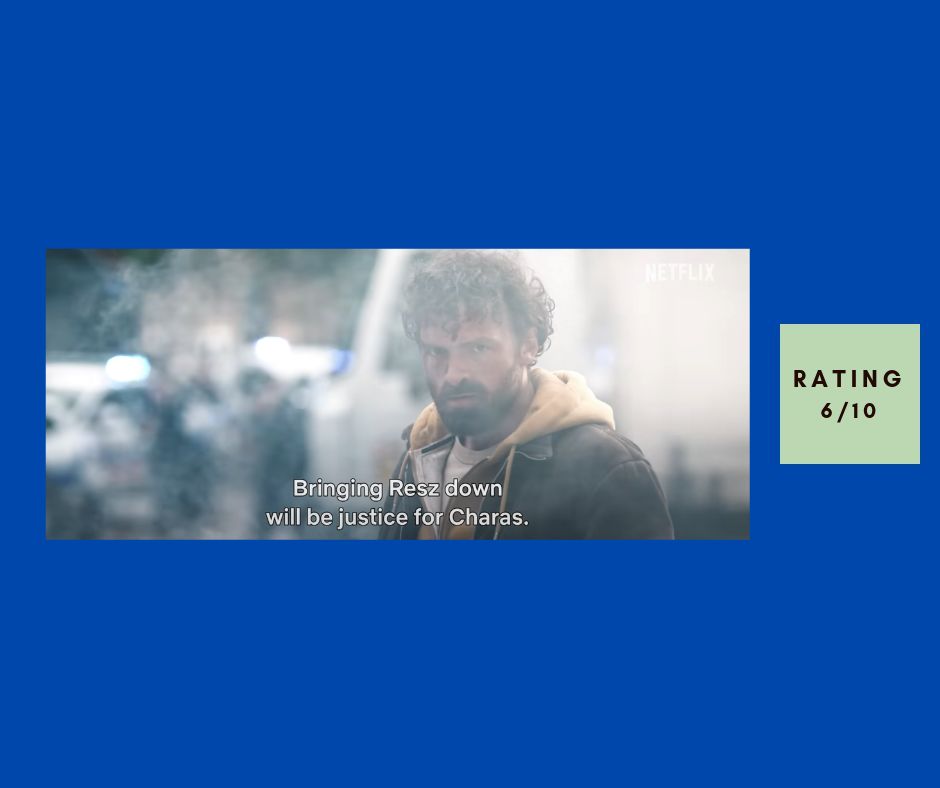
I hate the Fast & Furious franchise, so why do I find Guillaume Pierret’s Lost Bullet trilogy, similarly just car chase thrillers, mildly compelling? It has to do with the execution and the ambience. Lost Bullet came out in 2020, Lost Bullet 2: Back for More in 2022, now we have Last Bullet. By now the plotlines have become convoluted, and hero Lino, hiding away, is lured back into trying to exact revenge against a murderous ex-colleague and a corrupt senior cop. Double cross follows double cross, car chase and car crash follow car chase and car crash, and it becomes quite clear early on that the characters and their motivations are just props for the action. Stuntman Alban Renoir, who plays Lino, remains a wooden, obdurate hulk, and the other actors are no better. Why then does Last Bullet offer easy watching? The answer, of course, lies in the rubbishy-but-fun car mayhem. Director/writer Pierret lovingly sticks cameras right in the action or at dramatically low or high angles, so that the movie is a shallow, visual confection.

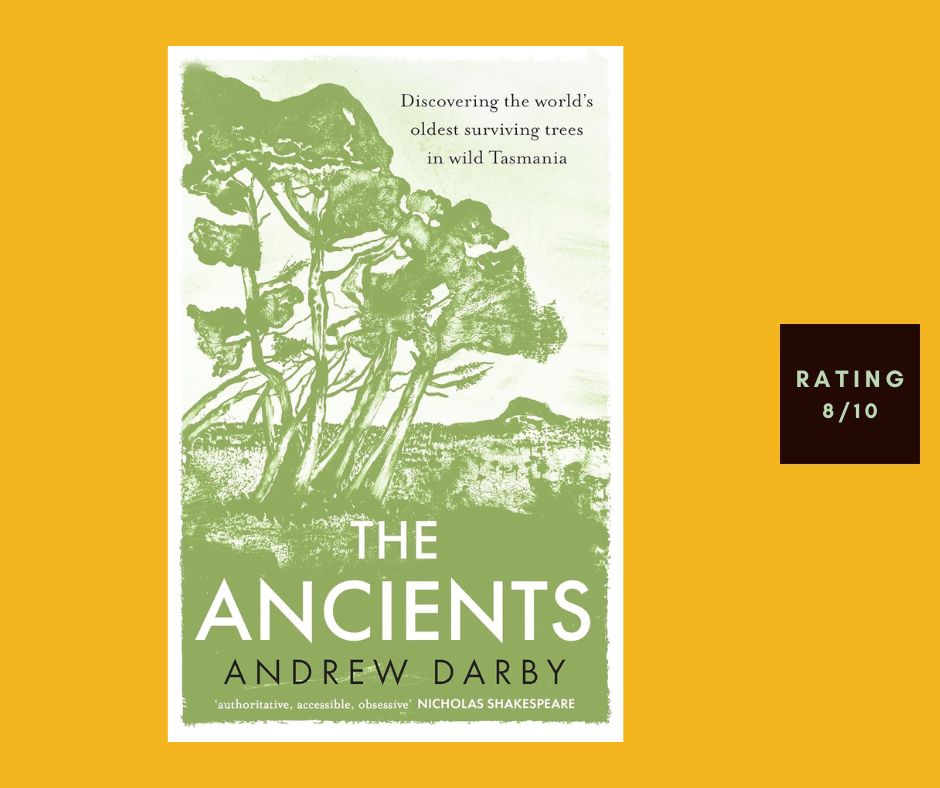
The Ancients by Andrew Darby [8/10]

Andrew Darby The Ancients review

Australian journalist Andrew Darby, a veteran of the battles for the Tasmanian forests, nearly died and then decided to spend a couple of years bushwalking through areas of Tasmania in order to see, hear, touch, and feel remote trees millennia old, often hard to reach in the depths of remote valleys or on mountaintops besieged by the island’s harsh weather. Adding a layer of difficulty, he taught himself to trek in the wild at age seventy and he insisted he walk alone, all the better to experience the trees. The result is The Ancients: Discovering the World’s Oldest Surviving Trees in Wild Tasmania, a lovely, elegantly written paean to the grandeur and diversity of nature. The book’s chapters encompass his pursuit of King’s Lomatia (maybe the oldest surviving single tree in the world), King Billy Pines, Pencil Pines, Huon Pines, and more. Throughout, the author decries the butchery of gold diggers, miners, and the state’s logging arm. If you have hiked or walked any of Tasmania’s punishing woods, slopes, and gullies, The Ancients will bring back memories galore, but even if bushwalking is not your hobby, this will stiffen your resolve to protect what little wilderness remains on our Earth.

The Last of Us Season 2 [10/10]

The Last of Us Season 2 review

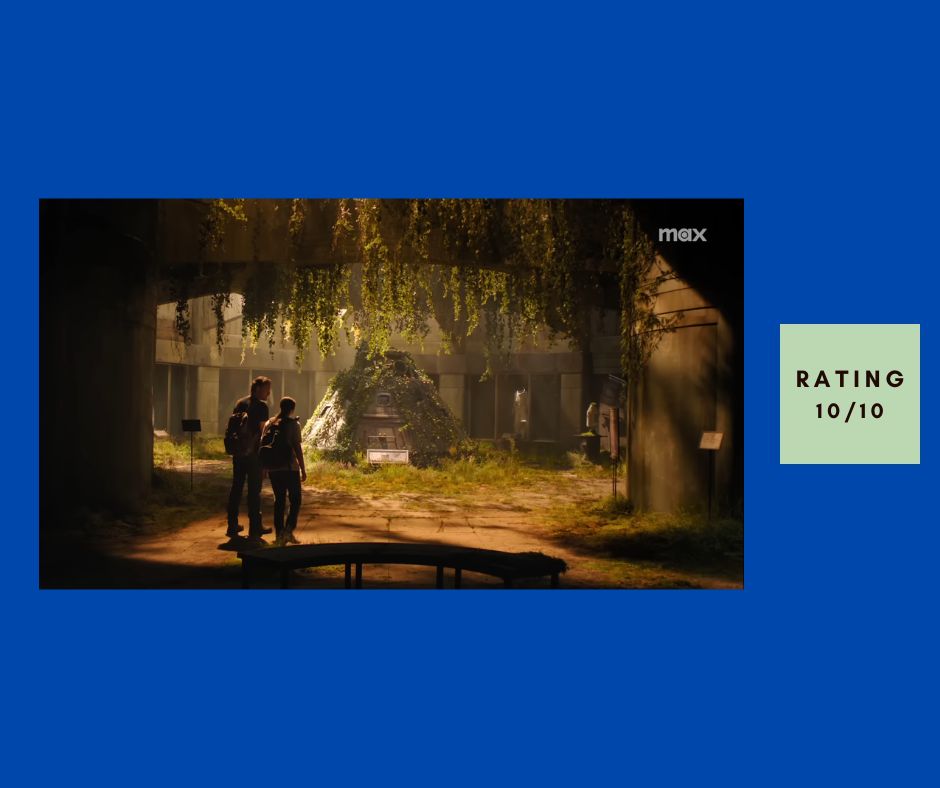
The first season of 2023’sThe Last of Us, fashioned by wonderful auteur Craig Mazin and Neil Druckmann (who created the namesake video game a decade earlier), was a revelation (see my review). Who would believe a dystopian video game based on the cliche of zombies threatening to take over the world might work at the character level? Yet it did, proving to be a visceral, nuanced narrative following Joel, a grizzly zombie-war veteran, and Ellie, a fourteen-year-old holding a secret hope for humanity. Now Season 2 of the series is upon us and it is a stunner. It kicks off five years after the dramatic closer of Season 1, with Joel and Ellie embedded in a walled city survivalist community in the snow of Wyoming, guarding against the hordes of zombies outside the walls. Joel is worn down and hesitant in his kind-of-fathering role with Ellie, while Ellie is a troubled near-adult, rebellious as heck. In these two pivotal roles, Pedro Pascal and Bella Ramsey are sublime. Two new main characters enter the fray as action segues between the zombies and human conflicts: Kaitlyn Dever as a vengeful northerner and Isabela Merced as Ellie’s best friend; both portrayals are excellent. As ever, Mazin’s byzantine and stunning plot twists and devious time flits work perfectly,, the action scenes are fearsome, and the cinematography is lush or claustrophobic (where is the zombie?) as needed. Season 2 of The Last of Us, seven episodes long, is a highlight of this reviewer’s 2025 viewing.